Apprenticeship guide
How to Become a Wind Turbine Technician in the UK
A practical guide to training as a wind turbine technician via the Humber, including the Hull College and Siemens Gamesa apprenticeship and the GWO safety certificates every employer expects.
Updated 3 September 2026
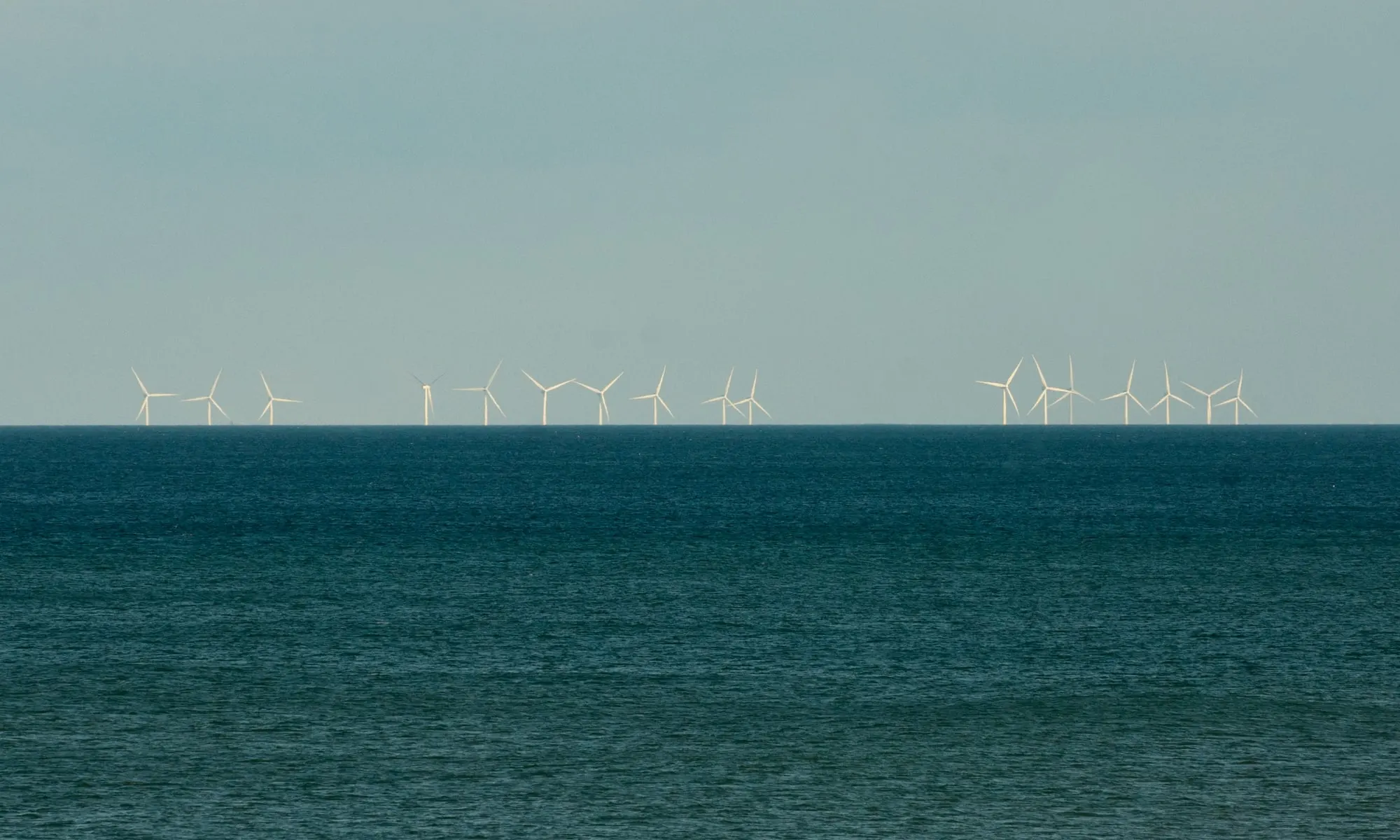

Wind turbine technicians keep turbines running: inspecting blades, maintaining gearboxes and generators, troubleshooting electrical faults, and carrying out planned servicing on machines that can be well over a hundred metres tall. It is hands-on engineering work, done at height, and increasingly it is work based on the Humber.
Why the Humber is a strong place to start
The Humber estuary has branded itself the “Energy Estuary”, and the wind turbine blade factory Siemens Gamesa operates in Hull is the reason that label sticks. It is the UK’s largest offshore wind manufacturing site, employing around 1,300 people, and it went through an 18-month hiring drive that brought in more than 850 new starters. Across the estuary in Grimsby, Ørsted runs an operations base of around 200 staff that is growing toward roughly 500, and its Hornsea 3 project is expected to generate up to 5,000 jobs during construction plus around 1,200 permanent roles at a new Grimsby operations hub. Taken together, regional offshore wind employment is projected to grow from around 1,700 jobs to roughly 10,500 over the coming years. For more on the wider sector, see the offshore wind and renewables guide.
That growth matters for anyone thinking about a technician career, because it means employers are actively building apprenticeship pipelines rather than hiring occasionally. It also means training providers on the Humber have shaped their courses specifically around wind, rather than treating it as a niche add-on to general engineering.
The Hull College and Siemens Gamesa route
The clearest local pathway is the joint apprenticeship programme between Hull College and Siemens Gamesa, which has run alongside the Hull blade factory’s expansion and offers up to around 30 new apprenticeships. It works in the standard apprenticeship way: you are employed and paid by Siemens Gamesa from day one, and you attend Hull College on a block or day-release basis to work toward your Level 3 qualification, typically over around two to three years.
Expect a mix of workshop-based learning in your first year, building up practical skills in mechanical and electrical fundamentals, and increasingly site-based or factory-based experience as you progress. Because this is a manufacturing site rather than an offshore operations base, the Hull apprenticeship gives strong grounding in blade production, quality and testing, alongside the general engineering skills that transfer into turbine maintenance roles elsewhere in the sector, including with operators like Ørsted at its Grimsby operations base.
GWO safety training: the industry-standard requirement
Whichever route you take in, you will need GWO training before you can work operationally on turbines. GWO, the Global Wind Organisation, sets the safety training standards used by wind employers worldwide, and its certificates are treated as a baseline requirement rather than a bonus. The two main modules are:
- Basic Safety Training (BST) — working at height, sea survival, manual handling, fire awareness and first aid
- Basic Technical Training (BTT) — mechanical, electrical, hydraulic and hoisting competence specific to turbines
Apprenticeship employers typically build GWO training into your programme rather than expecting you to arrange and fund it yourself, but it is worth asking about explicitly at interview. Certificates typically need refreshing every couple of years, so ongoing safety training becomes a normal part of a technician’s working life, not a one-off box to tick.
Other ways in
The Hull College and Siemens Gamesa apprenticeship is the most direct named route, but it is not the only one. Engineering apprenticeship providers such as HETA place apprentices into a wide range of engineering employers, some of which feed into wind and renewables. Technicians also move across from marine engineering, electrical installation or general mechanical engineering backgrounds, sometimes picking up GWO certification once they are already qualified in a related trade. If you are weighing up an apprenticeship against staying in full-time education, the apprenticeships versus university guide covers the trade-offs in more general terms.
What you’ll earn
Apprentice wages follow the national apprentice rate in your first year, then typically rise as you progress and take on more responsibility. Once qualified, wind turbine technician salaries in the UK typically range from around £26,000 to £38,000, depending on experience, employer and whether the role involves offshore rotational work, with offshore positions generally commanding a premium because of the shift patterns and additional safety demands involved.
How to apply
Apprenticeship vacancies, including any linked to Siemens Gamesa’s Hull site, are advertised through GOV.UK’s Find an apprenticeship service, and it is worth setting up alerts there rather than checking manually. Hull College is the first point of contact for course details and entry requirements, and the National Careers Service is a useful independent source if you want general guidance before you commit. If you are new to applying for apprenticeships, the cover letter templates for apprenticeships guide is a practical next step once you’ve found a vacancy worth applying for.
Questions people ask
Do I need a degree to become a wind turbine technician?
No. Most technicians train through a Level 3 apprenticeship straight from school or college, combining paid on-the-job learning with technical study. A degree can help if you want to move into design or engineering management later, but it is not the standard entry route into hands-on maintenance work.
What is GWO training and why does it matter so much?
GWO stands for Global Wind Organisation, the body that sets safety training standards used across the wind industry worldwide. Its Basic Safety Training covers working at height, sea survival, manual handling, fire awareness and first aid, and its Basic Technical Training covers mechanical, electrical, hydraulic and hoisting work. Employers across the sector, including on the Humber, treat GWO certificates as a baseline requirement, and they typically need refreshing every couple of years.
Can I become a wind turbine technician without going through Hull College?
Yes. Engineering-focused apprenticeship providers such as HETA also place apprentices into wind and renewables employers, and some technicians move across from marine engineering, electrical or general engineering backgrounds. The Hull College and Siemens Gamesa route is simply the most direct Humber-specific pathway, because it is built around a named local employer.
What is the difference between an onshore and offshore wind turbine technician?
Onshore technicians typically work a standard working week from a local depot, travelling between turbine sites by van. Offshore technicians usually work rotational shift patterns, travelling out to wind farms by crew transfer vessel or helicopter and staying offshore for several days at a time, which is why offshore roles carry additional safety training and often higher pay.