Sector guide
Ports & Logistics Careers in the Humber
The Humber is one of the UK's busiest trading gateways, and its four ports support a wide range of careers, from dockside operations to driving, warehousing and marine piloting.
Updated 3 September 2026
_-_geograph.org.uk_-_7703151.jpg)
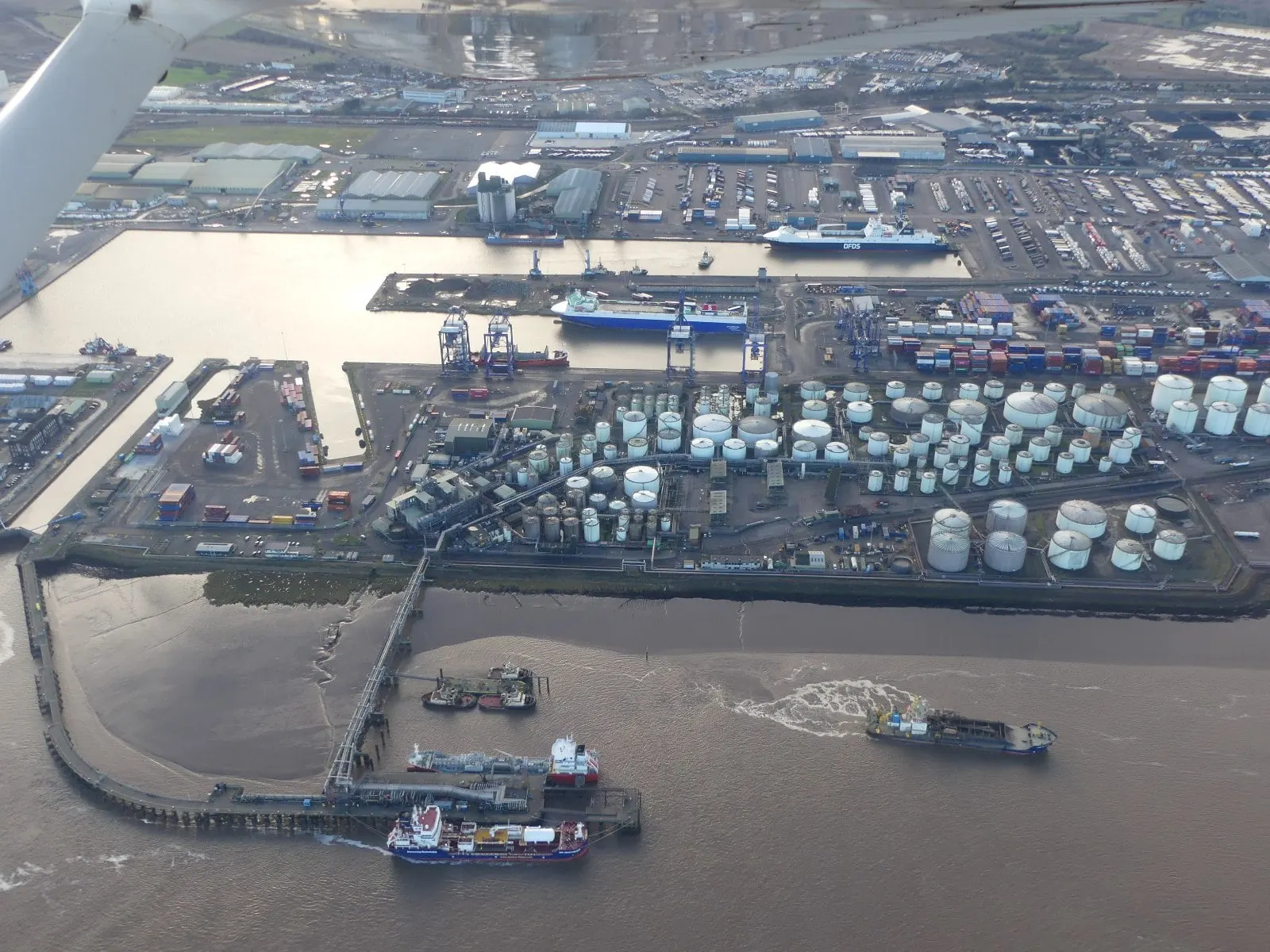
Ports and logistics is one of the Humber’s oldest industries and, thanks to sustained investment on both banks of the estuary, one of its most active in terms of current hiring. The four Humber ports handle a substantial share of the UK’s trade with continental Europe, and the freight, warehousing and driving jobs that flow from that trade are spread across Hull, Immingham, Grimsby and Goole rather than concentrated in one site. For anyone in the region who wants steady, practical work with a clear route into more senior operational roles, this is a sector worth a close look.
Why this sector matters in the Humber
Associated British Ports (ABP) operates all four Humber ports — Immingham, Grimsby, Hull and Goole — making it the single largest player in the sector locally, with over 1,200 people directly employed across its Humber operations. Trade through the Humber ports is worth around £75bn a year, and supports an estimated 33,000 jobs across the wider regional economy once you count haulage, warehousing, freight forwarding and the businesses that depend on goods moving in and out.
Immingham is one of the UK’s largest ports by tonnage handled, built around a mix of bulk cargo, containers and, increasingly, renewable energy components heading to and from offshore wind projects further up the estuary — see the offshore wind guide for how the two sectors overlap on the dockside. ABP is currently developing a new roughly £200m ferry freight terminal at Immingham, expected to generate around 700 construction jobs and around 200 permanent operational roles once complete, alongside new warehousing and logistics parks at Stallingborough and “Helm @ Immingham”. Together these projects represent one of the more significant waves of new logistics employment in the region over the next few years, and much of it will draw on the same site infrastructure and tax incentives supported by the wider Humber Freeport programme.
Typical roles and what they pay
Logistics is a broad sector, and the roles within it range from physical, entry-level work through to specialist maritime professions that take years to qualify for. A few of the most common:
- Port operative — handling cargo, operating dockside equipment, and supporting vessel loading and unloading. Typically £23,000–£29,000, with no formal qualifications usually required to start; most training happens on the job.
- HGV driver — moving containers and freight between the ports, warehouses and onward distribution networks. Typically £30,000–£40,000 or more depending on experience and the type of haulage, reflecting a national shortage of qualified drivers. Requires a Category C or C+E licence and a Driver CPC.
- Warehouse operative — picking, packing, goods-in and goods-out work at the logistics parks and distribution centres clustered around the ports. Typically £22,500–£27,000, with forklift or other materials-handling equipment (MHE) licences adding to earning potential.
- Marine pilot — guiding vessels safely in and out of the Humber’s busy shipping channels, a highly specialised role requiring a deck officer background and local pilotage qualifications. Typically £60,000–£90,000 or more once qualified, reflecting the seniority and responsibility involved.
- Logistics coordinator — planning freight movements, liaising with hauliers and shipping lines, and keeping operations running to schedule. Typically £26,000–£35,000, and a common progression route for people who started on the operational side.
Salary figures here are broad, indicative ranges based on general UK labour-market patterns for these role types — actual pay depends on the specific employer, shift patterns, and experience.
How to get in
Ports and logistics is unusual among Humber sectors in how many entry points it offers, from no-qualification direct entry through to highly technical maritime careers:
- Direct entry. Roles such as port operative and warehouse operative are commonly filled without prior sector experience. Employers value reliability, physical fitness and a willingness to work shift patterns, and provide safety and equipment training once you start.
- Apprenticeship. Logistics and supply chain apprenticeships run from Level 2 through to Level 5, covering warehousing, transport planning and operations management, and HGV driving apprenticeships are also available for people who want their licence funded as part of structured training. Search current opportunities via GOV.UK Find an apprenticeship, or see our guides to apprenticeships in Hull and apprenticeships in Grimsby for what’s available locally.
- Career change. The sector regularly recruits people moving across from retail, manufacturing, warehousing or the armed forces, where transferable skills around teamwork, safety and shift work are readily recognised. If you’re considering a switch, our advice on switching careers after 30 and interview tips for warehouse and logistics roles covers the practical side of making that move.
- Specialist and maritime routes. Roles like marine pilot sit at the more technical end of the sector and require a seagoing qualification background (typically Master Mariner or equivalent) plus local exams on Humber pilotage — not a route into the sector from scratch, but a natural next step for people already at sea.
Key employers to know
Associated British Ports (ABP) is the dominant employer in Humber ports and logistics, running Immingham, Grimsby, Hull and Goole as a single operation. Beyond direct port roles, ABP’s ongoing investment — the new Immingham ferry terminal and the Stallingborough and Helm @ Immingham logistics parks — is also drawing in tenant businesses across warehousing, freight forwarding and distribution, so the ABP careers pages are worth checking not only for ABP’s own vacancies but as a signal of where the wider jobs market is growing. See the ABP Humber employer profile for more, or browse current vacancies directly on the ABP Humber careers site.
Around the ports, a wider ecosystem of hauliers, freight forwarders and third-party logistics providers supply the driving, warehousing and coordination roles that keep goods moving once they’re off the dockside. Many of these sit within the region’s wider industrial and manufacturing supply chains — food producers in Grimsby, chemical and process sites near Immingham, and the manufacturing base around Goole — all of which depend on reliable freight links through the Humber ports.
The scale of current investment — the Immingham ferry terminal, new logistics parks, and the broader Freeport programme targeting further growth over the next decade — suggests port and logistics hiring in the Humber is set to stay strong for some time. For anyone weighing up where to start a practical, well-paid career without needing a degree, it remains one of the most accessible sectors the region has to offer. For a wider view of where else in the region is hiring, see the sectors hub or our guide to finding a job in the Humber.
Questions people ask
Do I need experience to get a job at the port?
Not for entry-level roles such as port operative or warehouse operative. ABP and the logistics operators based at the Humber ports typically provide induction and safety training on the job, and are used to hiring people moving across from retail, manufacturing or other physical roles. Marine pilot and some technical or engineering positions do require relevant maritime or trade qualifications.
What licence do I need to drive an HGV in and out of the ports?
You need a Category C (rigid) or Category C+E (articulated) licence, plus a Driver Certificate of Professional Competence (Driver CPC). Many haulage firms serving the Humber ports fund or part-fund this training for new starters, and it is also available as an apprenticeship route — see the GOV.UK apprenticeship finder for current listings.
Is dock and warehouse work seasonal or steady?
Freight and container traffic through the Humber runs year-round, so most port and warehouse roles are permanent rather than seasonal, though volumes can pick up ahead of peak retail periods. The scale of trade through Immingham, Grimsby, Hull and Goole means there is a consistent base of operational and driving roles across the year.
Can I move from a warehouse role into something more senior?
Yes — logistics is one of the more accessible sectors for internal progression. It's common to move from warehouse or port operative work into team leader, shift supervisor or logistics coordinator roles, often supported by employer-funded training or a Level 3 or Level 5 logistics and supply chain apprenticeship.