Employer profile · offshore wind renewables
Ørsted
The world's largest offshore wind developer runs its UK operations and maintenance base from Grimsby, with a new hub taking shape as its huge Hornsea 3 wind farm comes online.
Updated 3 September 2026
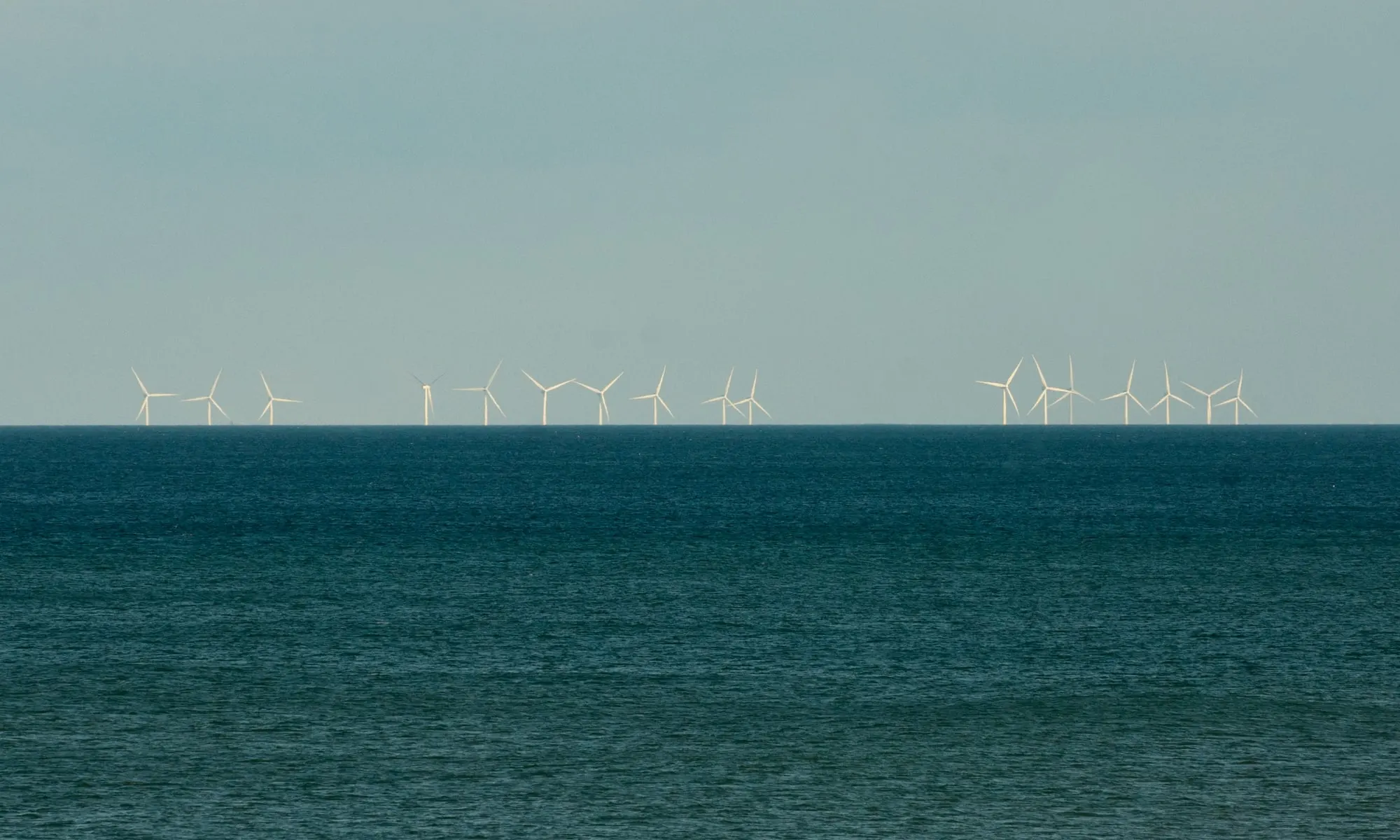

Ørsted is a Danish energy company and, by capacity, the world’s largest developer of offshore wind farms. It began life as a state-owned oil and gas company but has spent the last decade and a half reinventing itself around offshore wind, and today it operates and maintains a string of wind farms off the English coast from a base in Grimsby, on the Humber’s south bank. For anyone tracking the offshore wind and renewables sector in this region, Ørsted is one of the two big names alongside Siemens Gamesa’s blade factory across the estuary in Hull.
What Ørsted does in Grimsby
Grimsby serves as Ørsted’s operations and maintenance hub for its East Coast wind farms, including the Hornsea projects sited well out in the North Sea. From here, teams coordinate the technicians, vessels and logistics that keep turbines running once a wind farm is built and commissioned — this is the long-term, day-to-day side of offshore wind, as distinct from the construction phase. The company currently employs around 200 people at its Grimsby base, and that number is expected to grow toward roughly 500 as more capacity comes onstream and the site’s role expands.
The scale-up is tied directly to Hornsea 3, one of the largest offshore wind farms under development anywhere in the world. Building it is projected to support up to around 5,000 jobs during the construction phase, spread across contractors, supply chain firms and specialist marine trades rather than sitting entirely within Ørsted itself. Once operational, Hornsea 3 is expected to be served by a new operations hub in Grimsby supporting around 1,200 permanent roles — a step change from the current base and one of the more significant single commitments to long-term jobs anywhere in the Humber’s energy sector.
Typical roles and departments
Offshore wind operations and maintenance work spans a wide range of disciplines, and Ørsted’s Grimsby presence reflects that breadth rather than being a single job type multiplied many times over. Roles tend to fall into a few broad groups:
- Wind turbine technicians — offshore-based engineers who carry out inspection, maintenance and repair work on turbines, typically working rotational shift patterns with time spent at sea
- Marine coordination and logistics — planning vessel movements, crew transfers and access to offshore sites, which is a significant operational challenge given the distances and weather involved
- Health, safety and environment (HSE) — offshore wind is a high-hazard working environment, so HSE roles are core to the operation rather than a peripheral function
- Engineering and asset management — onshore roles monitoring turbine performance, planning maintenance schedules and managing the technical condition of the wind farm assets
- Project and commercial roles — supporting the build-out of Hornsea 3 and the wider portfolio, from procurement to project controls
- Apprenticeships and early-career routes — offshore wind has been building structured technician apprenticeship pathways as the sector has matured, often in partnership with local colleges
Wind turbine technician roles in particular have become one of the more visible entry points into the sector regionally; our guide on how to become a wind turbine technician sets out the typical routes in, including apprenticeships and further training providers active in the area.
Pay and what the work involves
As with any employer, actual salaries depend on role, experience and seniority, and Ørsted does not publish region-specific pay scales for public reference. As a general guide to UK offshore wind operations and maintenance roles, technician and early-career technical salaries typically sit somewhere in the region of £26,000–£34,000, with experienced technicians, specialists and those taking on supervisory responsibility earning more. Treat this as a broad indicative range rather than a quote for any specific vacancy — always check the current listing on Ørsted’s own site for accurate figures.
Offshore wind operations work is physically demanding and often shift-based, particularly for technician roles that involve time offshore. It suits people who are comfortable with structured safety procedures, teamwork under pressure, and travel to and from turbine sites by vessel or helicopter. Onshore and office-based roles in engineering, project management and commercial functions offer a different working pattern, closer to a conventional office or hybrid role, though still closely tied to the operational rhythm of the wind farms.
Working for Ørsted in the Humber
Ørsted’s growth plans in Grimsby are part of a broader pattern across the Energy Estuary, where offshore wind employment across the region is projected to grow substantially over the coming years as more capacity is built and existing wind farms move into long-term operation. That growth trajectory — from a 200-strong base toward 500, with a further 1,200 permanent roles planned around Hornsea 3 — makes Ørsted one of the clearer examples locally of a company whose Humber headcount is set to expand rather than hold steady, though as with any multi-year infrastructure build, timelines can shift.
Independent, publicly available detail on day-to-day working culture at Ørsted’s Grimsby site specifically is limited, and this profile does not draw on insider accounts or employee reviews. Prospective applicants weighing up the company are best placed checking current vacancies and any published employee information directly via Ørsted’s UK site, and comparing notes with the wider offshore wind supply chain covered under marine and engineering employers in the area, including the growing network of firms in Humber Marine and Renewables. For those exploring the sector more broadly, our Grimsby apprenticeships page and the Grimsby locations guide cover the wider training and employment landscape the town’s growing energy sector sits within.
Independent editorial profile written by Humber Careers; not sponsored by or supplied by Ørsted. Confirm current details on the employer's own site before applying.