Sector guide
Engineering & Manufacturing Careers in the Humber
Away from the headline energy projects, the Humber makes things: wound dressings, household brands, edible oils, bridges and, since 2024, Tube trains. Maintenance engineers, machinists and production technicians are the people who keep all of it running.
Updated 3 September 2026
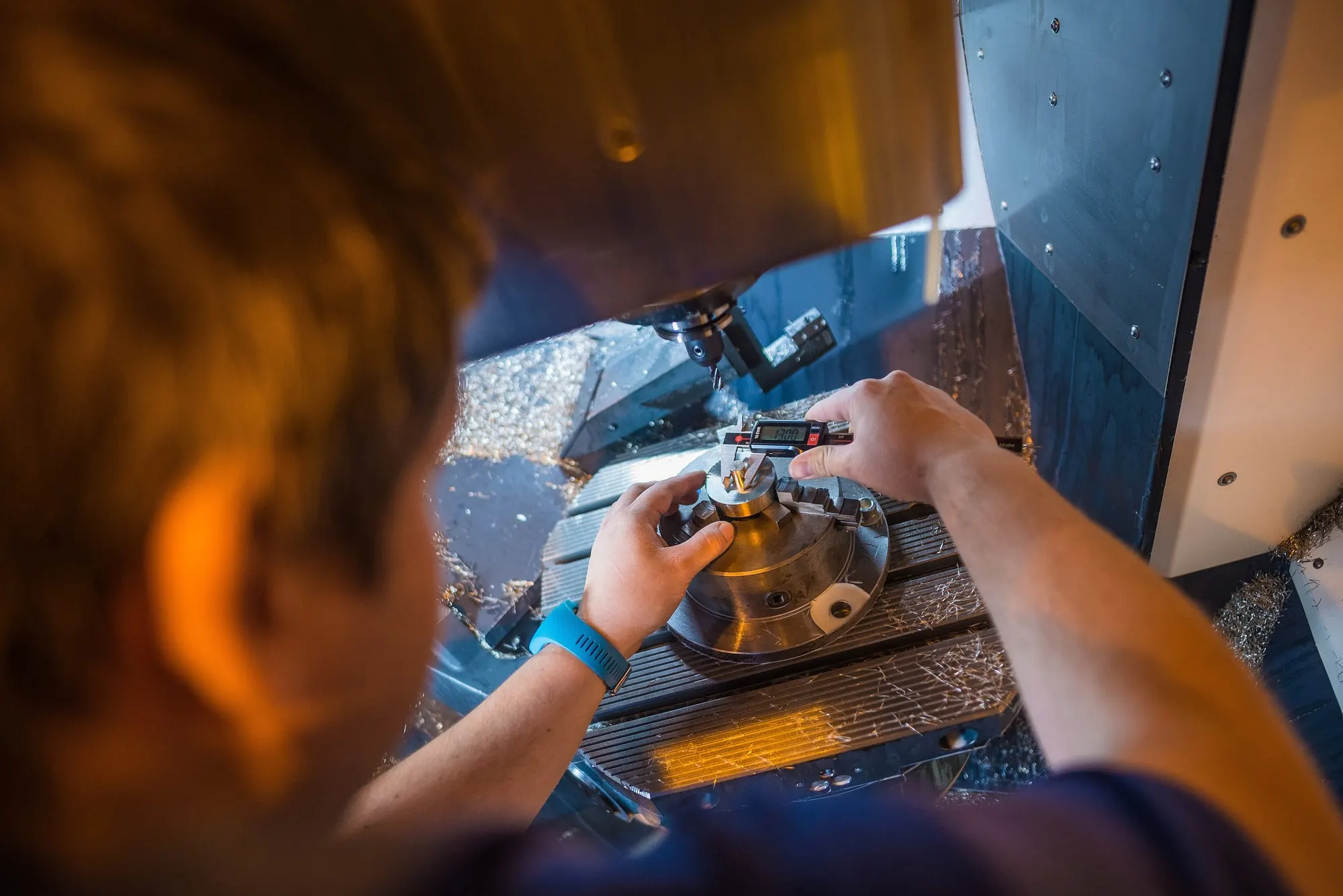

The Humber’s engineering and manufacturing base is older and broader than the energy story that dominates the headlines. Hull has been making medical dressings and household products for well over a century, Scunthorpe grew up around steel, and the docks brought oils, food processing and heavy fabrication. What has changed recently is the arrival of new, high-profile manufacturing, most obviously Siemens Mobility’s train factory in Goole, alongside the offshore wind blade plant in Hull. For anyone with maintenance, machining or production skills, or the willingness to learn them, that mix means a wide choice of employers.
Why this sector matters in the Humber
Siemens Mobility’s Goole rail village is the clearest recent signal. The company is investing up to £200m in the site, creating up to 700 skilled jobs and an estimated 1,700 further opportunities in the supply chain. The factory builds new Piccadilly line trains for Transport for London, and the wider village includes a components servicing facility, a materials and logistics warehouse and a research, development and innovation cluster. Its first recruitment wave brought in mechanical and electrical assembly technicians, warehouse and logistics operatives and quality staff, and the company has been open about hiring people with transferable skills from modular construction and the armed forces rather than only rail veterans.
In Hull, Smith+Nephew has been making medical products since it was founded in the city in 1856 and employs around 800 people at its Hessle Road site. It announced an £80m research, development and manufacturing facility for its advanced wound management business at Melton, west of Hull, and in 2024 revised those plans to keep some operational facilities in Hull alongside the new site. Reckitt’s Hull operation, home of brands like Dettol and Nurofen, is anchored by a science and innovation centre reported at around £105m. AAK runs one of the UK’s largest edible oils refineries at King George Dock, established as Anglia Oils in 1982. Spencer Group, headquartered on Humber Quays, is a multi-disciplinary engineering contractor working on rail, bridges and power projects nationally with turnover of around £61m.
Across the estuary, Scunthorpe’s identity has been bound up with steelmaking since the nineteenth century, and whatever the industry’s future, the town’s engineering skills base is deep. Add the maintenance-heavy chemical and refining sites covered on our chemicals and process page and the fabrication work feeding marine and engineering, and you have a regional economy that needs engineers in every direction.
Typical roles and what they pay
Broad indicative ranges only; continuous-process sites and regulated sectors tend to pay at the upper end.
- Maintenance Engineer — keeps production lines, plant and building services running, diagnosing faults and carrying out planned maintenance. Typically £32,000–£45,000, with shift allowances on 24-hour sites. This is the single most in-demand engineering role in the region and the classic HETA apprenticeship outcome.
- CNC Machinist — sets, programs and operates computer-controlled machine tools to produce precision parts. Typically £26,000–£36,000, rising with programming and multi-axis experience. A Level 3 machining technician apprenticeship or a college engineering course plus employer training is the usual route.
- Production Technician — runs and monitors manufacturing processes, from filling lines at a consumer goods plant to train assembly stations. Typically £24,000–£32,000. Many start with no engineering background and train on the job, or through a Level 2 or Level 3 manufacturing apprenticeship.
- Quality Engineer — designs and audits the systems that ensure products meet specification, a serious discipline in medical devices and food. Typically £30,000–£45,000. Usually an engineering or science degree, a degree apprenticeship, or progression from a quality technician role.
How to get in
- HETA apprenticeship. The Humberside Engineering Training Association trains around 600 Level 3 engineering apprentices a year, with more than 400 partner companies, around 90% of them Humber-based. It offers electrical, mechanical, electrical installation, fabrication and welding, multi-skilled and process operations disciplines from centres in Hull, Grimsby and Scunthorpe, and typically asks for GCSE grade 5 or above in English, maths and science. Our HETA engineering apprenticeships guide explains how the recruitment cycle works.
- College apprenticeship. Hull College runs maintenance and operations engineering technician, civil engineering senior technician and plate welder apprenticeships. Grimsby Institute, part of TEC Partnership, delivers the engineering maintenance technician apprenticeship with electrical, control and instrumentation and electrical and mechanical pathways.
- Degree or degree apprenticeship. Design, quality and management roles increasingly ask for a degree. The University of Hull’s degree apprenticeships let you earn while you study, and our degree apprenticeships page sets out the options.
- Direct entry and career change. Production technician and assembly roles at sites like Goole regularly take people from other backgrounds and train them. If you have hands-on skills from the forces, construction or another trade, our guide to getting into engineering without a degree is written for you.
Key employers to know
Siemens Mobility in Goole is the region’s newest large manufacturer and is still building its workforce; see our Siemens Mobility Goole page. Smith+Nephew in Hull combines manufacturing with research and development and has a long relationship with the University of Hull; our Smith+Nephew Hull page has more. Reckitt offers manufacturing, laboratory and research roles at scale in Hull, covered on our Reckitt Hull page. AAK and Spencer Group are smaller but well-established, and both recruit engineers locally.
Looking ahead
Engineering skills in the Humber are transferable in a way few other careers are. A maintenance engineer trained at a food plant can move to a chemical site, a train factory or an offshore wind base without retraining from scratch, and that flexibility is worth a great deal in a regional economy that is changing shape. Start with the sectors hub to see where those skills are needed, and use how to find a job in the Humber when you are ready to apply.
Questions people ask
Do I need a degree to become an engineer in the Humber?
Not for most maintenance, machining and production roles. The bulk of the region's engineers come through Level 3 apprenticeships, and HETA alone trains around 600 Level 3 engineering apprentices a year for 400 or more partner companies. A degree or degree apprenticeship becomes more important for design, quality engineering in regulated sectors and management roles, and the University of Hull runs degree apprenticeships that let you get there while employed.
What is HETA?
The Humberside Engineering Training Association is an employer-led training provider with centres in Hull, Grimsby and Scunthorpe. It delivers apprenticeships in electrical, mechanical, electrical installation, fabrication and welding, multi-skilled and process operations disciplines for engineering employers across the region, and many of the Humber's best-known manufacturers recruit their apprentices through it. Entry typically requires GCSE grade 5 or above in English, maths and science.
What is happening with steel in Scunthorpe?
Scunthorpe has been a steel town since the nineteenth century and the steelworks shaped the town's economy, skills base and identity for generations. The industry's future has been the subject of a great deal of public debate in recent years and the picture continues to change, so we do not make claims here about current employment or ownership. What is certain is that the town retains a deep pool of engineering and maintenance skills, and HETA's Scunthorpe centre continues to train apprentices for employers across North Lincolnshire.
Is manufacturing in the Humber growing or shrinking?
Both, depending where you look. Some traditional sites have contracted or reorganised, while newer investment, notably Siemens Mobility's Goole factory, Smith+Nephew's planned Melton facility and offshore wind manufacturing in Hull, is creating skilled roles. The sensible read is that general manufacturing is stable and skilled engineering roles are in demand, particularly maintenance, electrical and quality disciplines.
Sources
- –Siemens Mobility, recruitment drive at Goole train factory
- –Siemens Mobility, Goole rail village
- –The Hull Story, Smith+Nephew to leave Hull home for new £80m facility
- –Wikipedia, Smith & Nephew
- –AAK International Hull
- –Spencer Group
- –Construction Enquirer, C Spencer lifts profits as market activity recovers
- –HETA, Engineering apprenticeships
- –Grimsby Institute, Engineering apprenticeships
- –Hull College, Apprenticeships