Sector guide
Offshore Wind & Renewables Careers in the Humber
Branded the Energy Estuary, the Humber is home to the UK's largest offshore wind blade factory and a fast-growing operations base for one of Europe's biggest offshore wind developers — with thousands of new jobs projected over the coming years.
Updated 3 September 2026
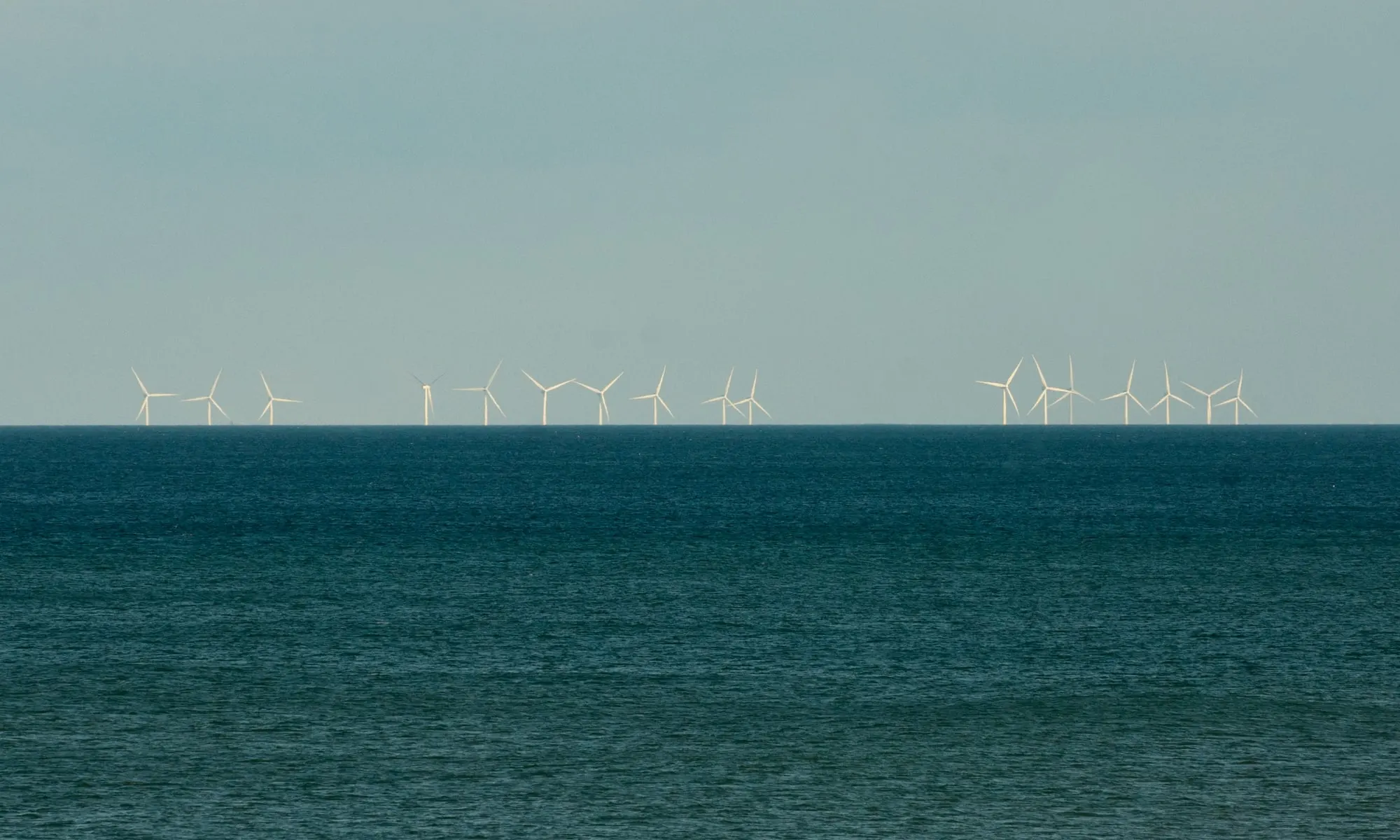

The Humber estuary has become one of the UK’s most important hubs for offshore wind, and the region has branded itself accordingly: the Energy Estuary. If you’re weighing up a move into renewables, or you’re local and wondering whether this industry is worth training for, the short answer is that it already employs thousands of people here and is projected to employ many more.
Why this sector matters in the Humber
Offshore wind isn’t a future promise in the Humber, it’s already operating at scale. Siemens Gamesa’s blade factory in Hull is the UK’s largest offshore wind manufacturing site, employing around 1,300 people, and the company has run an 18-month hiring drive that brought in over 850 new starters. On the south bank, Ørsted operates a growing operations base in Grimsby, currently employing around 200 people and expanding toward roughly 500 as more of its North Sea wind farms come into service.
The scale of what’s coming is significant. Ørsted’s Hornsea 3 project alone is expected to generate up to 5,000 jobs during its construction phase, with around 1,200 permanent roles anticipated at a new operations hub planned for Grimsby. Taken together with growth across the wider supply chain, regional offshore wind employment is projected to grow from around 1,700 jobs to roughly 10,500 over the coming years. That’s not a niche sector — it’s on track to become one of the Humber’s largest employers.
Part of what makes the Humber attractive to offshore wind developers is geography. The estuary sits close to some of the busiest offshore wind farm clusters in the North Sea, and the ports along it — covered in more detail on our ports and logistics page — give the supply chain a natural route out to sea for turbine components, maintenance vessels and crew transfers.
Typical roles and what they pay
Offshore wind careers span a wide range, from hands-on manufacturing and technical trades through to specialist engineering and safety functions. A few of the most common entry points:
- Wind Turbine Technician — services and maintains turbines, both onshore and offshore, typically earning £28,000–£40,000+, with offshore allowances often pushing total pay higher. This is one of the most in-demand roles in the sector and one of the more accessible, usually reached via a Level 3 apprenticeship or an engineering background topped up with Global Wind Organisation (GWO) safety training.
- Blade Manufacturing Operative — works on the production line at facilities like Siemens Gamesa’s Hull factory, laying up, finishing and inspecting turbine blades. Pay typically runs £23,000–£30,000 depending on shift pattern and experience, and many operatives start with no prior manufacturing background, training on the job.
- Offshore Wind Engineer — covers electrical, mechanical and structural disciplines involved in designing, installing and maintaining turbines and their foundations. Salaries vary widely by seniority and specialism, typically £30,000–£50,000+, and usually require an engineering degree or degree apprenticeship.
- Health & Safety Advisor — a critical function in an industry where much of the work happens at height or offshore. Pay typically sits around £28,000–£42,000, and the route in is usually a NEBOSH qualification combined with relevant operational experience, sometimes gained by moving across from a technical or manufacturing role.
Beyond these four, the sector also needs project managers, logistics coordinators, quality inspectors and marine crew — many of the skills that sit alongside the Humber’s wider marine and engineering base.
How to get in
There’s no single route into offshore wind, which is part of what makes it accessible to people at very different starting points.
- Apprenticeship. This is the most common entry route for technician and manufacturing roles. Siemens Gamesa runs a joint apprenticeship programme with Hull College, taking on up to around 30 new apprentices a year across engineering and manufacturing disciplines. Our guide on how to become a wind turbine technician walks through what that training actually involves.
- Direct entry. Manufacturing operative roles at blade factories often don’t require prior experience — employers train on the job, particularly during hiring pushes like Siemens Gamesa’s recent recruitment drive. A clear, honest CV is usually enough to get a foot in the door; see our tips on writing a CV with no experience if that’s where you’re starting from.
- Degree or degree apprenticeship. Engineering roles, especially at the more senior or specialist end, typically need a degree. The University of Hull offers an MSc Offshore Wind Energy Engineering as a degree apprenticeship, letting you earn while you study rather than taking on the full cost of a traditional degree route — more on that on our degree apprenticeships page.
- Career change. Transferable skills from manufacturing, marine engineering, the armed forces or other technical trades are genuinely valued in this sector. GWO safety training in particular is a relatively short, focused qualification that can open doors to technician roles for people switching in from elsewhere — our advice on switching careers after 30 covers how to frame that kind of move on a CV.
Key employers to know
Siemens Gamesa operates the UK’s largest offshore wind blade factory on Alexandra Dock in Hull, employing around 1,300 people. The site has been on a sustained hiring drive, taking on more than 850 people over 18 months, and works with Hull College to run apprenticeships for up to around 30 new starters a year. It’s a manufacturing-heavy operation, so alongside blade production roles there’s a steady need for maintenance engineers, quality inspectors and logistics staff. Read more on our Siemens Gamesa Hull employer page.
Ørsted runs its UK offshore wind operations base in Grimsby, currently employing around 200 people with plans to grow toward roughly 500 as more capacity comes online. The company’s Hornsea 3 project is one of the larger developments feeding job growth in the region, generating up to 5,000 jobs during construction and expected to support around 1,200 permanent roles at a new Grimsby operations hub once complete. See our Ørsted Grimsby employer page for more detail.
Both companies sit within the Humber’s wider Energy Estuary cluster, alongside the ports, marine services and supply chain firms that keep turbines built, shipped and maintained.
Looking ahead
Offshore wind in the Humber is still building toward its full scale, and the jump from around 1,700 to a projected 10,500 jobs suggests the next few years will bring a steady stream of openings across manufacturing, engineering, safety and operations. Whether you’re leaving school, finishing an apprenticeship elsewhere, or changing career direction entirely, this is a sector worth watching closely — start with our sectors hub to see how it fits alongside the Humber’s other major industries, or head to where to find jobs in the Humber for practical next steps.
Questions people ask
Do I need a degree to work in offshore wind?
No. Many roles, including wind turbine technician and blade manufacturing positions, are accessible through a Level 3 apprenticeship or direct entry with employer training. A degree, or a degree apprenticeship such as the University of Hull's MSc Offshore Wind Energy Engineering, tends to matter more for engineering and project management roles further up the career ladder.
What is the Energy Estuary?
It's the branding used for the Humber's cluster of energy and renewables activity, covering offshore wind manufacturing and operations, the ports that service it, and the wider low-carbon industry building up around the estuary. Siemens Gamesa's Hull factory and Ørsted's Grimsby operations base are two of its best-known anchors.
Where are the main offshore wind employers based in the Humber?
Siemens Gamesa's blade factory is on Alexandra Dock in Hull. Ørsted's operations base is in Grimsby, on the south bank of the estuary, and is set to grow further with a new operations hub tied to the Hornsea 3 project.
Do offshore wind jobs pay more than other Humber sectors?
Offshore-based technician roles typically carry allowances on top of base salary to reflect time spent working at sea, which can push total pay above equivalent onshore engineering or manufacturing roles. Exact packages vary by employer and role, so treat any figure as a general guide rather than a guarantee.