Sector guides
Where the Humber's work actually is
Few UK regions are as industrially concentrated as the Humber. Each guide explains what a sector involves day to day, the roles and indicative pay, the routes in, and the employers worth knowing.
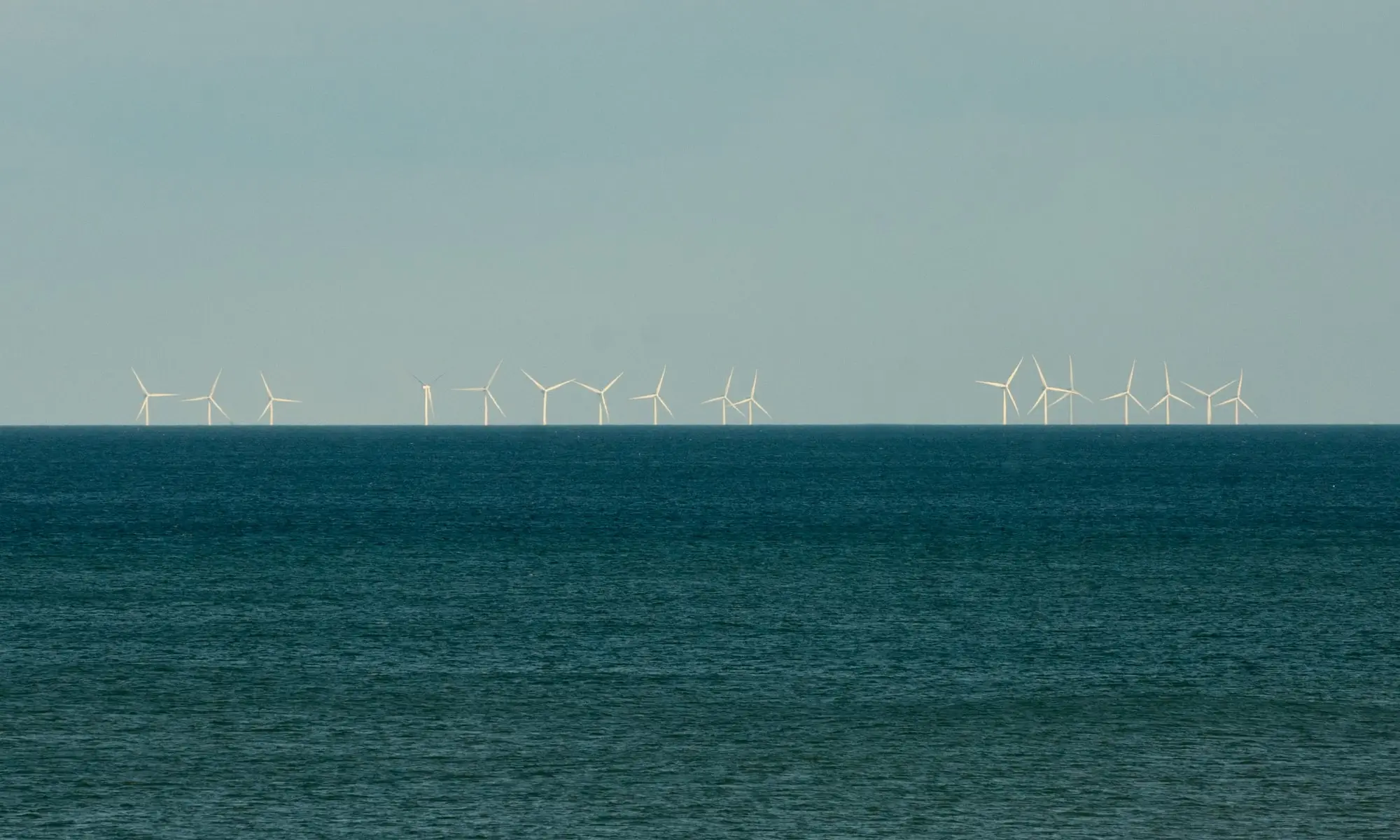
Offshore Wind & Renewables
Branded the Energy Estuary, the Humber is home to the UK's largest offshore wind blade factory and a fast-growing operations base for one of Europe's biggest offshore wind developers — with thousands of new jobs projected over the coming years.
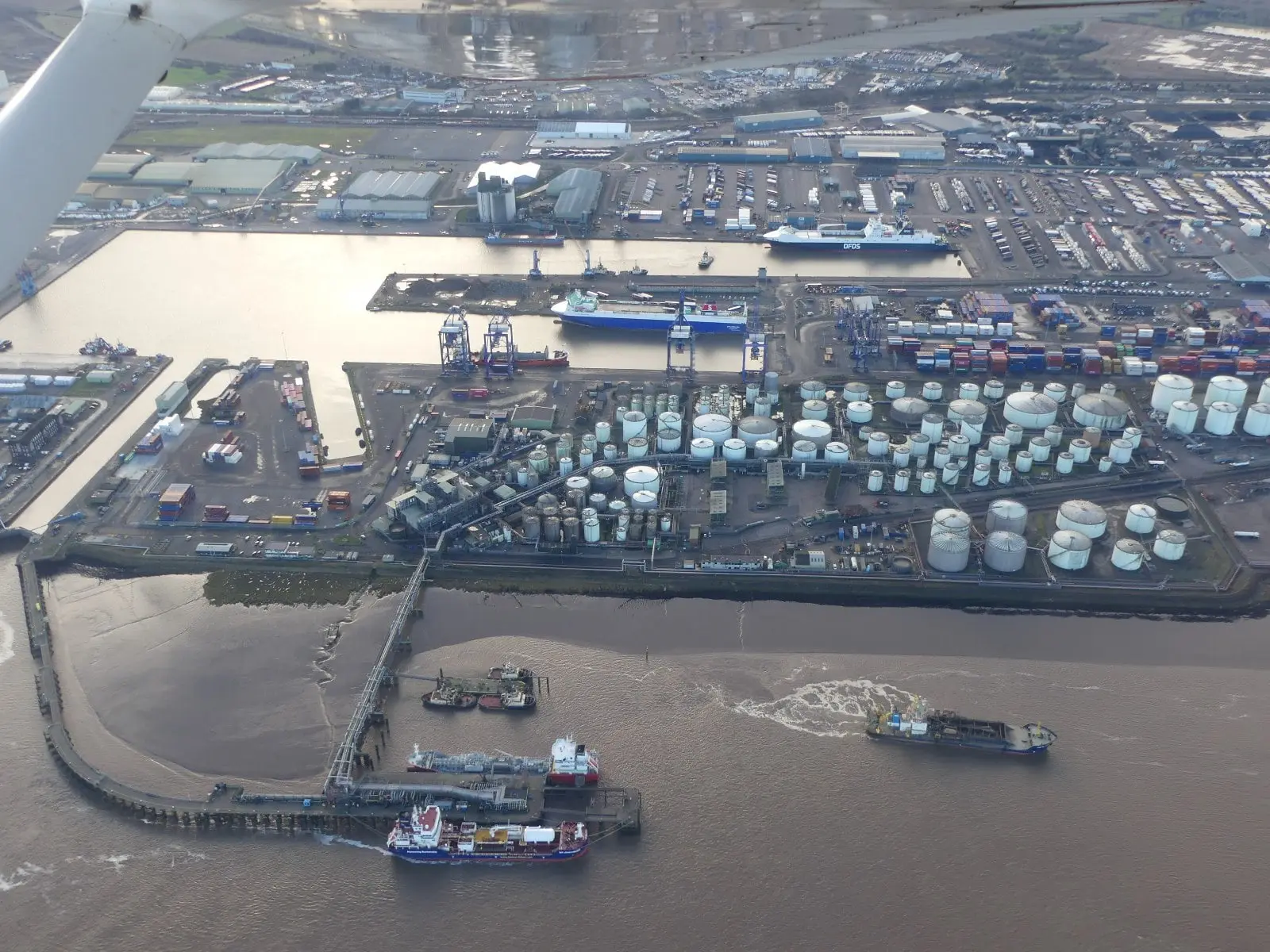
Ports & Logistics
The Humber is one of the UK's busiest trading gateways, and its four ports support a wide range of careers, from dockside operations to driving, warehousing and marine piloting.
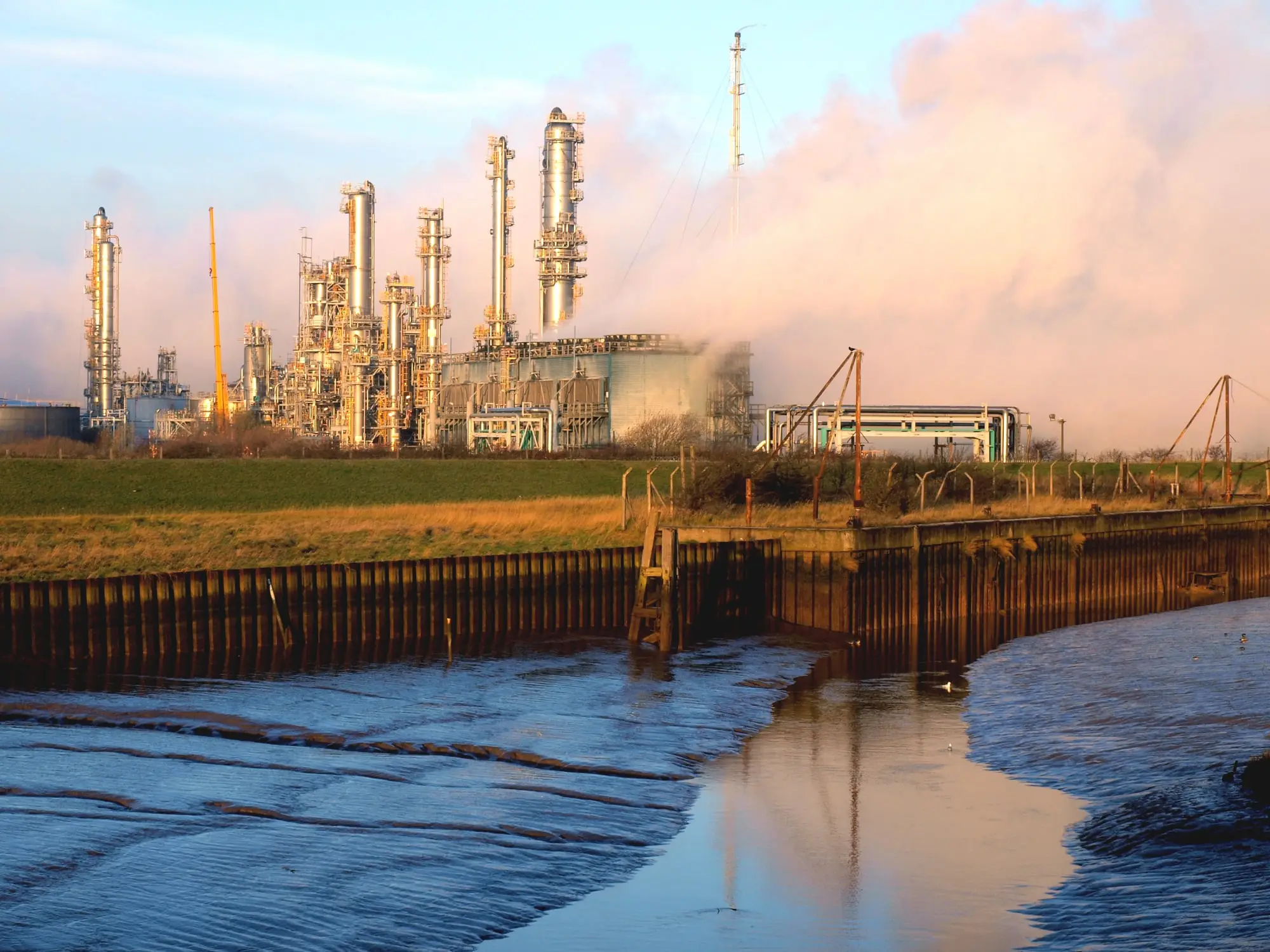
Chemicals & Process
The south bank of the Humber is home to one of the UK's most concentrated clusters of chemicals and refining, offering process, engineering and craft careers that rarely require a degree to start.

Healthcare & NHS
The Humber's NHS trusts and wider care sector employ tens of thousands of people across Hull, Grimsby, Scunthorpe and Goole, with routes in at every level from school leaver to graduate.
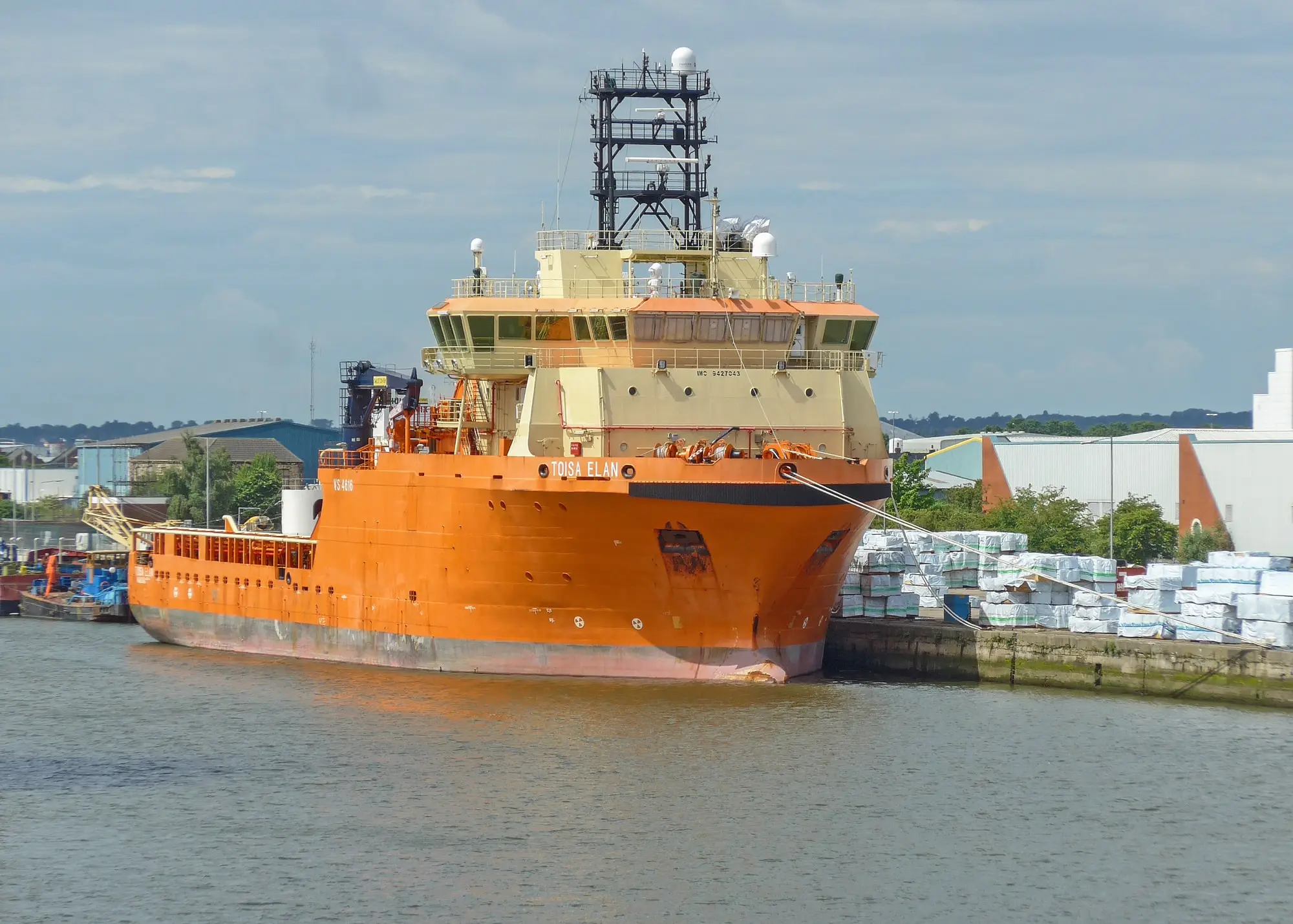
Marine & Offshore Engineering
From welding and fabrication yards to ROV control rooms and naval architecture offices, the Humber's marine and offshore engineering sector runs quietly behind the estuary's bigger energy headlines — and it needs skilled people at every level.
Food Manufacturing
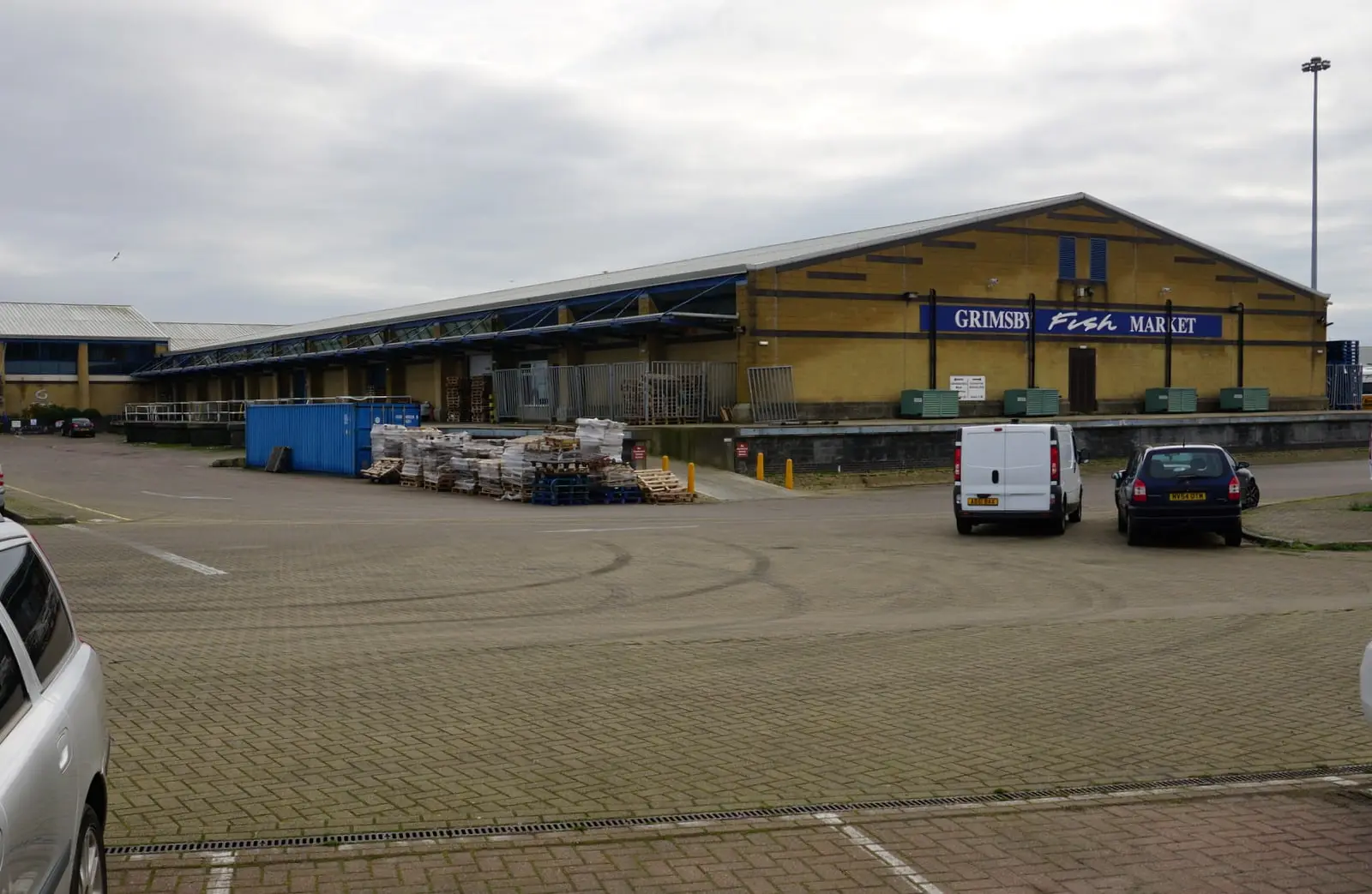
Grimsby anchors one of the world's largest seafood-processing clusters, and food manufacturing across the Humber offers steady, skilled work from the production line through to technical and quality careers.

Digital & Tech
The Humber is not a tech city in the London or Manchester sense, but it has a genuine digital cluster around Hull's Fruit Market, a home-grown full-fibre network, and a surprising number of software and IT roles hidden inside the region's ports, energy firms and hospitals.

Construction & Skilled Trades
Between freeport tax sites, the Hornsea 3 build, a £200m ferry terminal at Immingham and a steady housing pipeline, the Humber has more construction work in the ground than it has had for a generation, and the trades to deliver it are in short supply.
Engineering & Manufacturing
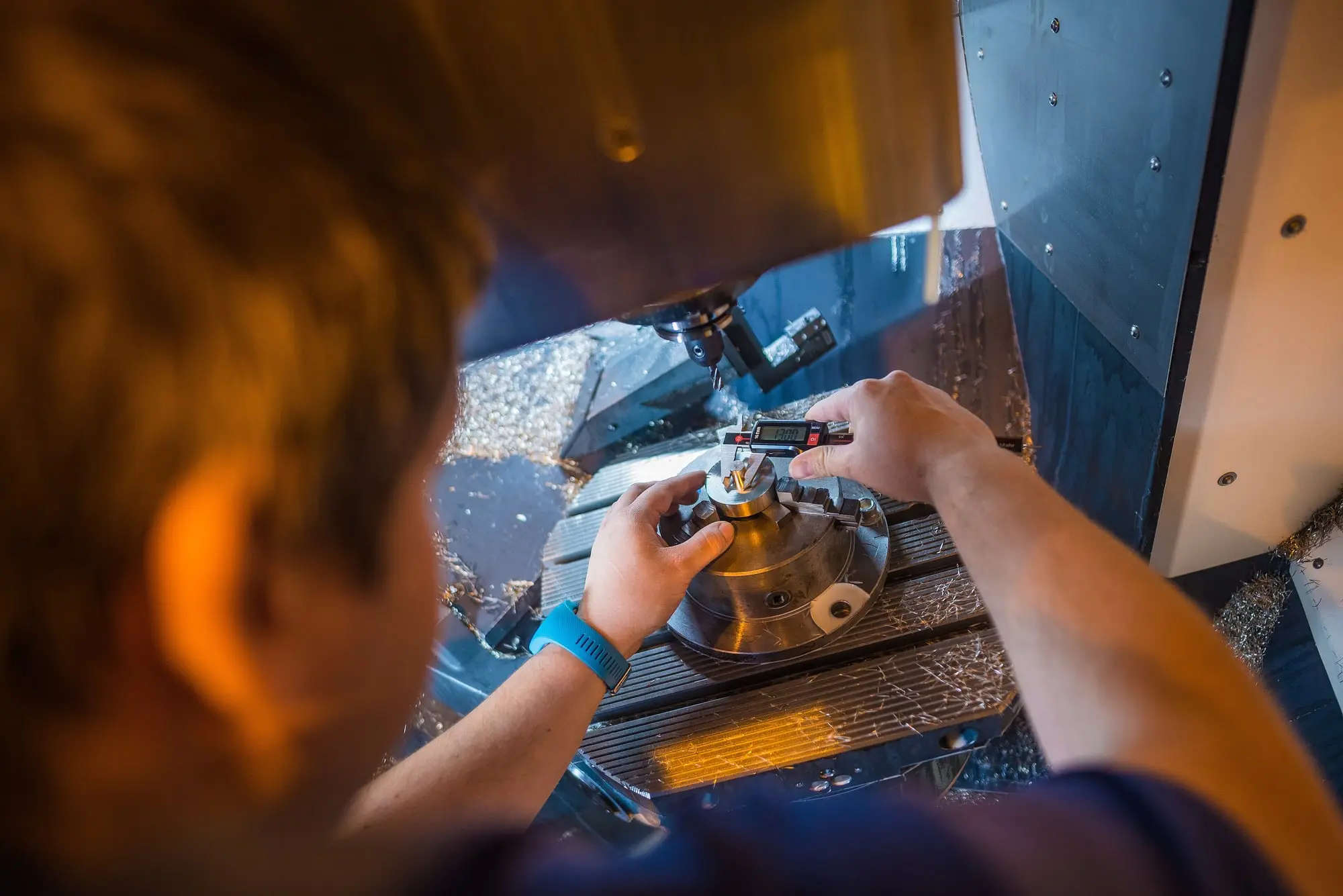
Away from the headline energy projects, the Humber makes things: wound dressings, household brands, edible oils, bridges and, since 2024, Tube trains. Maintenance engineers, machinists and production technicians are the people who keep all of it running.