Employer profile · ports and logistics
Associated British Ports (ABP) Humber
Associated British Ports operates the four Humber ports that between them handle around £75bn of trade a year, making it one of the region's most important logistics and infrastructure employers.
Updated 3 September 2026
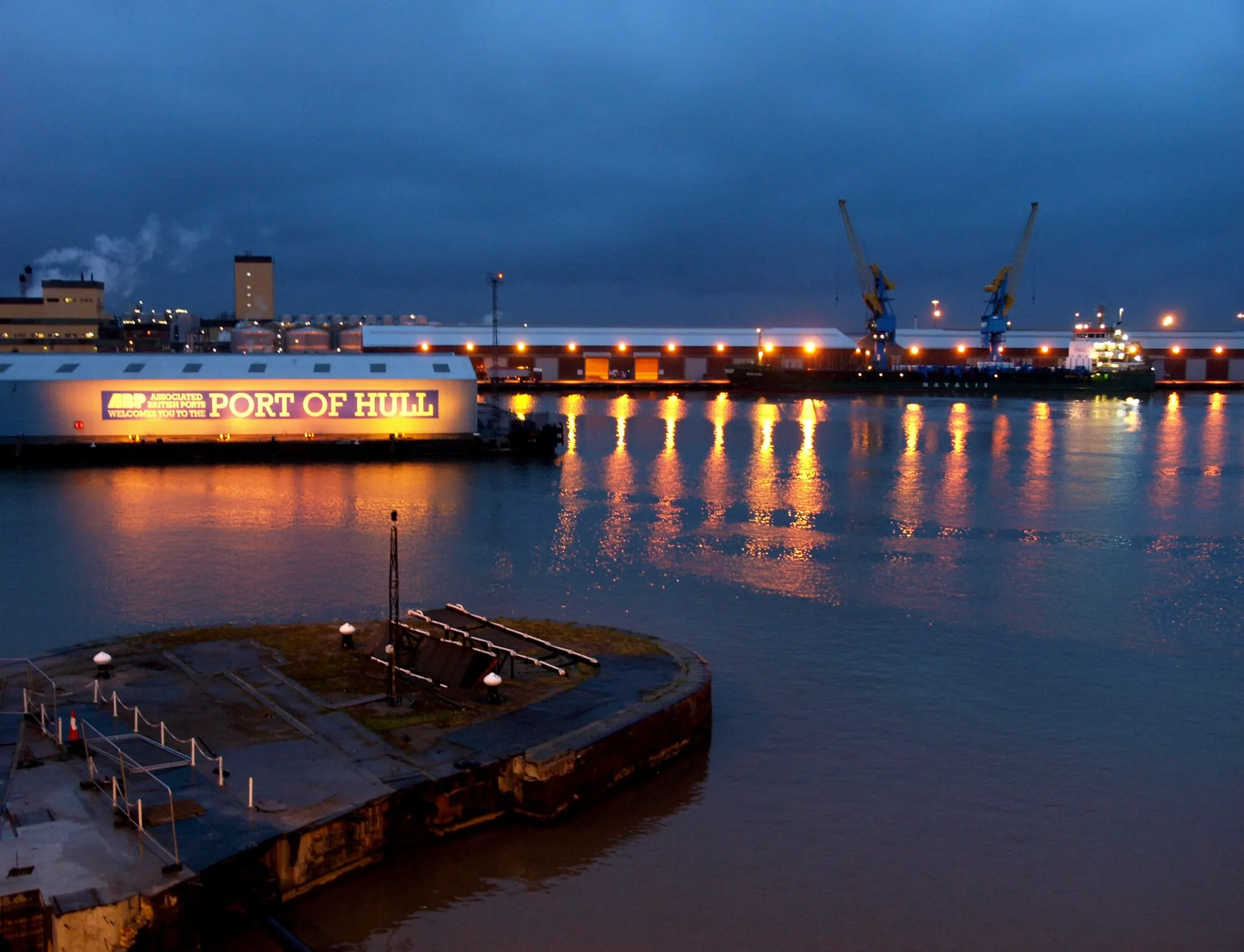

What ABP does on the Humber
Associated British Ports is the UK’s largest ports group, and the Humber is its single biggest concentration of activity. ABP owns and operates four ports along the estuary: Immingham, Grimsby, Hull and Goole, each with a distinct character and cargo mix, but run as one connected Humber operation from ABP’s divisional base in Immingham. The company’s group headquarters is in London, but the day-to-day running of the Humber ports, and the great majority of the jobs they generate, sits firmly in the region.
Immingham is the anchor of the group. It is one of the UK’s largest ports by tonnage handled, moving bulk cargoes such as coal, biomass and petroleum products alongside a growing container and ro-ro (roll-on roll-off) trade. Grimsby has a strong food and forest products trade and a growing renewables presence, Hull handles a mix of general cargo, timber and passenger ferry traffic, and Goole is the estuary’s inland river port, connecting Humber shipping to the UK’s inland waterway and rail network. Together, the four ports handle around £75bn of trade annually and are estimated to support around 33,000 jobs across the wider Humber economy, not just those directly on ABP’s own payroll. For the bigger picture on how these ports fit into the region’s economy, see our ports and logistics sector guide.
Scale of the Humber operation
ABP directly employs more than 1,200 people across its four Humber ports, making it one of the largest single employers in the ports and logistics sector regionally. That figure covers everyone from dock operatives and crane drivers to engineers, marine pilots, planners and office-based support staff, and sits alongside a much larger number of jobs at the businesses that operate on ABP-owned land, from stevedoring firms and freight forwarders to the manufacturers and energy companies that ship cargo through the ports.
The Humber ports are also in active expansion. ABP is building a new Immingham ferry freight terminal, a project worth around £200m, which is expected to create around 700 construction jobs during the build phase and around 200 permanent jobs once it opens. Alongside the terminal, ABP is developing major warehousing and logistics parks at Stallingborough and at “Helm @ Immingham”, both intended to bring warehousing, distribution and light industrial employers onto ABP-owned land near the port. This expansion sits within the wider Humber Freeport programme, which covers tax sites at Hull, Goole and Immingham and has already attracted over £2bn of investment, with a 2026 investment prospectus targeting a further £3bn and around 5,000 additional jobs over the next decade.
Typical roles and departments
A port operator of this size covers a genuinely broad span of work, well beyond the dockside. Roles typically found across ABP’s Humber ports include:
- Port and terminal operations — dock operatives, crane and plant operators, stevedores handling cargo on and off vessels
- Marine services — pilots, tug crew and harbour masters managing vessel movements safely in and out of the estuary
- Engineering and maintenance — mechanical, electrical and civil engineers keeping quays, cranes and port infrastructure running
- Logistics and planning — cargo planners, freight coordinators and scheduling staff
- Health, safety and environment — a significant function given the scale of heavy plant, shipping and cargo handling involved
- Commercial and business development — managing relationships with shipping lines, freight customers and tenants on port land
- Corporate and support functions — finance, HR, IT and administration, as at any large infrastructure operator
Pay varies by role, site and experience. As a broad, indicative guide, entry-level operational roles in UK ports typically start somewhere in the mid-to-high £20,000s, with skilled trades, engineering, marine and management roles reaching considerably higher; these are general sector figures rather than numbers tied to any specific current ABP vacancy, so always check the pay attached to an actual advertised role.
Entry routes and training
ABP’s Humber operations recruit across a wide range of experience levels, from apprenticeships and entry-level operational roles through to experienced engineering, marine and commercial hires. Given the technical and safety-critical nature of much port work, structured training is a significant part of how people build a career here, whether that’s through an apprenticeship, in-house operational training, or professional development in engineering or marine disciplines.
Anyone interested in a technical or engineering route into ports and logistics work may find it useful to look at HETA’s engineering apprenticeships, which train apprentices across a wide range of Humber-based employers including logistics and industrial sites, or the general apprenticeships hub for a fuller picture of routes available across the region. For those weighing an apprenticeship against a university route into a technical career, our guide on apprenticeships vs university sets out the general trade-offs.
What it’s like to work there, in honest terms
Port work suits people comfortable with shift patterns, physically demanding environments and, in operational roles, working outdoors in all weather along a working estuary. The upside is genuine job security tied to a piece of national infrastructure that isn’t going anywhere: the Humber ports have handled trade for generations and are currently in a period of sustained investment rather than contraction, with the ferry terminal and logistics park developments pointing to continued growth in the roles ABP will need to fill over the coming years.
As with any large infrastructure employer, day-to-day experience varies a good deal by port, department and shift pattern, and independent, up-to-date accounts of working conditions from current or recent staff are limited in what can be verified from outside the organisation. Treat this profile as a starting point for research rather than the complete picture, and use any interview or open day as a chance to ask directly about shift patterns, progression routes and what a typical week actually involves at the specific port and role you’re applying for.
How to apply
ABP’s own Humber careers site is the place to check current vacancies across Immingham, Grimsby, Hull and Goole, since roles and application windows change regularly and specific openings aren’t listed here. If you’re new to applying for logistics or warehouse-adjacent roles, our guide on interview tips for warehouse and logistics roles may be useful preparation, and if you’re relocating or commuting from elsewhere in the region, the Immingham locations page has wider context on the town and its job market beyond this one employer.
Independent editorial profile written by Humber Careers; not sponsored by or supplied by Associated British Ports (ABP) Humber. Confirm current details on the employer's own site before applying.