Apprenticeship guide
Food Manufacturing Apprenticeships in Grimsby
Grimsby processes a large share of the fish eaten in the UK, and the factories that do it need process operators, technical operators, engineers and technologists. Apprenticeships run from Level 2 to degree level, and most of them are paid roles with the region's biggest food employers.
Updated 3 September 2026
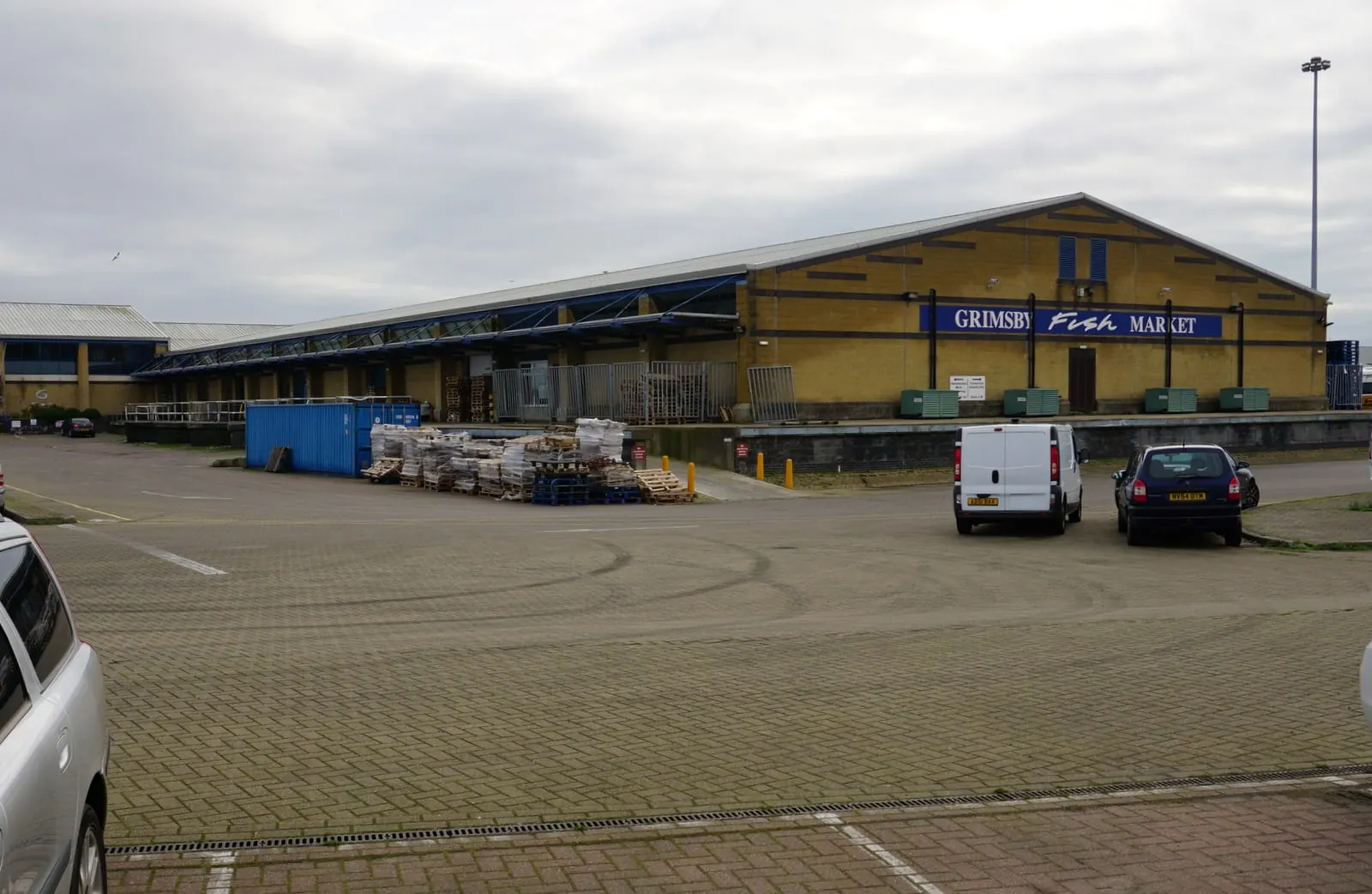

Grimsby calls itself Europe’s Food Town, and for once the branding is understated. The town’s seafood processing cluster is the largest in Northern Europe, with more than 65 processing factories and businesses employing close to 6,000 people directly and over 10,000 once the supply chain is counted, and combined sales of around £2bn a year. Young’s Seafood alone employs somewhere between 1,700 and 3,000 people locally and says around 40% of the fish eaten in the UK passes through its operations. All of that needs a steady stream of trained people, and apprenticeships are how the industry has chosen to get them.
Why Grimsby
The concentration of employers matters. Alongside Young’s, the cluster includes Hilton Seafood, New England Seafood, Flatfish, Caistor Seafoods and Morrisons’ seafood operation, plus dozens of smaller merchants and secondary processors. That density means an apprentice who qualifies at one factory has a dozen others within a few miles if they want to move, and it means the cluster invests in skills collectively: the Seafood Grimsby and Humber Alliance secured £250,000 from Defra to run a Future Seafood Leaders programme with the University of Lincoln’s National Centre for Food Manufacturing, developed with Young’s, Hilton, New England Seafood and Regal Fish. Our food manufacturing sector page sets out the wider picture.
The apprenticeship ladder
Food manufacturing apprenticeships in England follow national standards, and the food and drink family runs from entry level to a full degree.
- Food and drink process operator (Level 2) — 18 to 24 months for new entrants. You learn to run production line equipment safely, follow hygiene and food safety procedures and support line changeovers. Seafish, the industry body, identifies this as the standard that fits seafood manufacturers and secondary processors in England.
- Food and drink technical operator (Level 3) — around 30 months. A step up into start-up, close-down and changeover responsibility, front-line fault diagnosis, asset care and basic maintenance on increasingly automated lines. This is the route for people who want to run a line rather than work on one.
- Food and drink engineer (Level 5) — around 36 months, for maintenance engineers who combine mechanical and electrical competence with an understanding of food safety. Many food manufacturers also use general engineering maintenance technician standards at Level 3 as the first step.
- Food and drink advanced engineer, integrated degree (Level 6) — a five-year programme producing engineers who design and improve production processes and systems.
- Food industry technical professional, integrated degree (Level 6) — around 48 months, covering food safety and quality systems, microbiology, allergen management and product development. The University of Lincoln delivers this from its National Centre for Food Manufacturing, which already works closely with the Grimsby cluster.
Beyond these, seafood employers also take on business administration, supply chain, laboratory and food technologist apprentices, and Level 2 fishmonger standards cover the merchant and primary processing side of the trade.
Where the training happens
Most Grimsby food apprenticeships are employer-led, with the college or training provider fitting around shift patterns. Grimsby Institute, part of TEC Partnership, lists engineering, construction, business and hospitality among its apprenticeship subject areas and delivers the engineering maintenance technician apprenticeship with electrical and mechanical pathways that food factories rely on for their maintenance teams. University Centre Grimsby offers higher and degree-level routes for those who progress. HETA trains engineering apprentices for employers across the south bank, including food sites, and CATCH at Stallingborough counts food and drink among the sectors it serves. For the specialist food and drink operator standards, employers typically contract a training provider directly, so ask at interview who will deliver the off-the-job element and where. The apprenticeships in Grimsby page covers the town’s wider offer.
What you’ll earn
Apprentice pay follows the national apprentice rate as a floor and rises with progression; larger employers in the cluster generally pay above it. Once qualified, process operators in Grimsby typically earn around £23,000 to £28,000 with shift premiums, technical operators and line leaders around £26,000 to £32,000, and food maintenance engineers around £32,000 to £42,000. Technical and quality professionals with a degree-level apprenticeship can expect £30,000 to £45,000 as they gain experience. These are broad indicative ranges only.
How to apply
Set up alerts on GOV.UK’s Find an apprenticeship service for food, process and engineering vacancies in the DN postcodes, and check the Young’s Seafood careers pages and Grimsby Institute’s live vacancies directly, since some employers recruit through the college rather than the national service. Many seafood firms also convert good temporary and agency staff into apprentices, so a spell on the line is a legitimate way in. If you are writing your first application, our guide to writing a CV with no experience is where to start, and the Young’s Seafood employer page gives more background on the town’s biggest food employer.
Questions people ask
What apprenticeship standards do food manufacturers in Grimsby use?
The main ones are the Level 2 food and drink process operator, typically 18 to 24 months, and the Level 3 food and drink technical operator, around 30 months, which covers line start-up, changeovers, fault-finding and basic maintenance. Engineering-minded apprentices can go on to the Level 5 food and drink engineer or the Level 6 food and drink advanced engineer integrated degree, and quality and technical careers lead to the Level 6 food industry technical professional degree apprenticeship.
Do I need any qualifications to start?
For the Level 2 process operator route, employers usually ask for basic English and maths and the right attitude toward hygiene and safety, and you can complete Level 1 functional skills during the apprenticeship if you do not already have it. Level 3 and engineering routes typically want GCSEs at grade 4 or 5 in English, maths and science. The degree-level standards need Level 3 qualifications or relevant experience.
Is it cold, wet and early?
Often, yes. Seafood processing happens in chilled environments, shifts can start early and hygiene rules are strict. Employers provide protective clothing and most people acclimatise quickly, but it is worth being honest with yourself about it before applying. Engineering, quality and technical roles spend less time on the chilled floor, and progression into them is one of the reasons to start with an apprenticeship rather than a temporary line job.
Can I do a food apprenticeship outside seafood?
Yes. The same food and drink standards are used across bakery, chilled foods, edible oils and beverage sites around the Humber, including in Hull and Scunthorpe, and skills transfer easily between them. The seafood cluster is simply where the greatest concentration of Grimsby vacancies sits.
Sources
- –UK Food Valley, Seafood processing cluster
- –Skills England, Food and drink process operator
- –Skills England, Food and drink technical operator
- –Skills England, Food and drink engineer
- –Skills England, Food and drink advanced engineer (integrated degree)
- –Find apprenticeship training, Food industry technical professional (integrated degree) (level 6)
- –Seafish, Apprenticeships for fishmongers, fish friers and seafood processors
- –Made Great in Grimsby, Grimsby seafood cluster launches Future Leaders skills programme
- –University of Lincoln, Food Industry Technical Professional Level 6
- –Grimsby Institute, Apprenticeships
- –Grimsby Institute, Engineering apprenticeships