Sector guide
Food Manufacturing Careers in the Humber
Grimsby anchors one of the world's largest seafood-processing clusters, and food manufacturing across the Humber offers steady, skilled work from the production line through to technical and quality careers.
Updated 3 September 2026
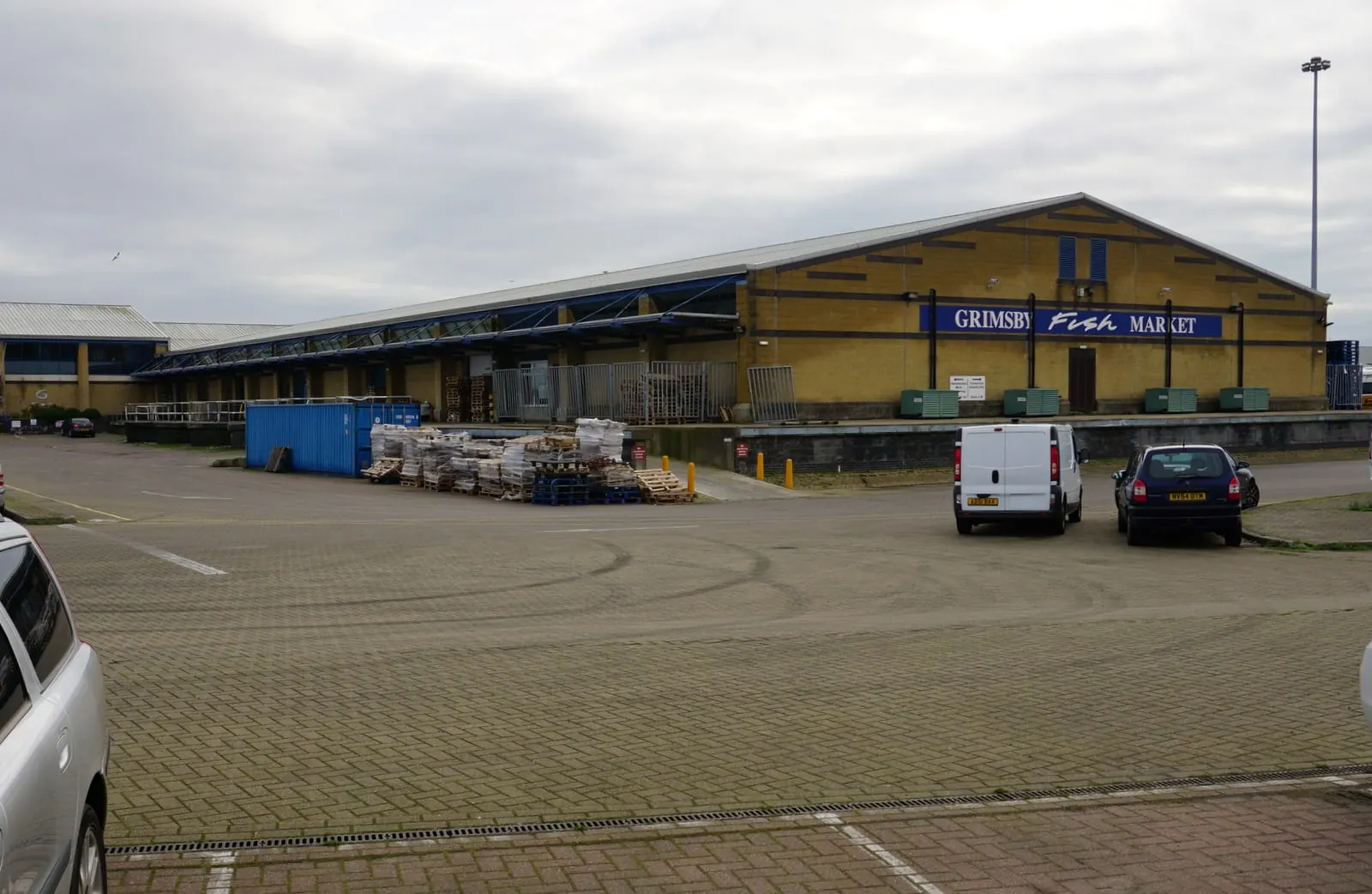

Food manufacturing is one of the Humber’s oldest and most consistent sources of employment, and nowhere is that more visible than in Grimsby. Built on the town’s history as a fishing port, Grimsby has grown into one of the world’s largest seafood-processing clusters, handling, preparing and packing fish and seafood for supermarkets and food service right across the UK and beyond. It is sometimes referred to as Europe’s Food Town, a nod to the sheer density of food businesses concentrated in and around the docks.
Why this sector matters in the Humber
The scale of seafood processing in Grimsby is hard to overstate for a town of its size. Young’s Seafood, which has deep roots in the area, alone employs roughly 1,700 to 3,000 people locally and supplies around 40% of the fish eaten in the UK — a striking figure that gives a sense of how much of the nation’s fish supply passes through this one part of the Humber. Around Young’s sits a wider ecosystem of processors, packers, cold storage operators and specialist suppliers, many of them linked into the same supply chains.
This concentration of expertise has also made Grimsby a natural home for organisations focused on the seafood industry more broadly, including Seafish, the public body that supports the UK seafood sector, which is based in the town. For anyone building a career in food production, quality or technical roles, that density of employers and expertise means genuine choice and a realistic path to progression without having to leave the region. It also sits alongside the Humber’s other major sectors — ports and logistics, which move the raw materials and finished products in and out, and chemicals and process industries, which share some of the same technical and quality disciplines.
Typical roles and what they pay
Food manufacturing offers a genuine ladder, from entry-level production work through to technical and quality specialisms that don’t require you to have started with a science degree.
- Production Operative — the largest group of roles on any processing site, covering tasks like preparation, packing, labelling and machine operation. Pay is typically around £22,000–£26,000, often boosted by shift allowances, and most employers provide food hygiene and safety training on induction rather than expecting it in advance.
- Quality Assurance Officer — checks that products meet food safety standards, specifications and regulatory requirements at each stage of production. Typically £24,000–£30,000, this role suits people who are methodical and comfortable following detailed procedures, and it’s a common next step for experienced production staff who complete a Level 3 food science or QA qualification.
- Production Supervisor — oversees a shift or production line, managing a team, hitting output targets and troubleshooting problems as they arise. Typically £28,000–£36,000, this role usually goes to people who have worked their way up from the production floor and taken on a supervisory or team-leading qualification along the way.
- Food Technologist — works on product development, formulation, shelf-life testing and process improvement, often bridging the gap between production and innovation. Typically £26,000–£38,000 and rising with seniority, this is the role most likely to need a food science, food technology or related degree, though degree apprenticeship routes are increasingly available too.
As with any sector, these figures are broad indicative ranges rather than fixed rates, and actual pay depends on the employer, site, shift pattern and your own experience.
How to get in
Food manufacturing is unusually open as an entry point into a stable career, because so many production roles simply require reliability, attention to detail and a willingness to learn on the job.
- Direct entry as a production operative. Most sites recruit for production roles with no formal qualifications required, providing food hygiene, health and safety, and machine-specific training once you start. This is the quickest way into the sector and a genuine starting point for progression.
- Apprenticeships. Food and drink manufacturing apprenticeships cover process operations, food safety and increasingly technical and engineering routes within processing sites. The TEC Partnership, based in Grimsby and covering Levels 2 to 7, is the natural first stop for anyone in the area exploring this route, and it’s worth comparing options on the Grimsby apprenticeships page.
- Degree or degree apprenticeship for technical roles. If you’re aiming for food technologist, product development or technical management roles, a food science or food technology degree is the traditional route, though some employers now offer degree apprenticeships that let you earn while you study.
- Career change. People move into food manufacturing from retail, hospitality, warehousing and other production sectors relatively easily, since transferable skills like teamwork, following procedures and working to pace count for a lot. If you’re weighing this up, the advice on switching careers after 30 covers how to frame that kind of move on a CV and in interview.
Wherever you start, it’s worth asking prospective employers directly about their internal progression routes — many operators actively promote from the production floor into quality, technical and supervisory positions, and some will support part-time study towards a relevant qualification once you’re in post.
Key employers to know
Young’s Seafood is the name most closely associated with Grimsby’s food sector, and for good reason. Roughly 1,700 to 3,000 people are employed locally, and the company supplies around 40% of all the fish eaten in the UK, making it one of the largest single employers in the town and a fixture of daily life for a huge number of local households. Beyond Young’s, Grimsby’s food cluster includes a broad network of other processors, packers and specialist suppliers built up around the docks over generations, alongside sector bodies like Seafish that support the industry’s standards and development. If you’re weighing up where in the Humber to base a food career, the Grimsby location guide gives a fuller picture of the town and its employment landscape.
For jobseekers, the practical starting points are the employer’s own careers pages where available, general listings on GOV.UK Find a Job, and the Humber Careers jobs hub for a rounder view of where vacancies tend to appear across the region.
Food manufacturing doesn’t attract the same headlines as offshore wind or the ports, but it remains one of the most dependable sources of stable, skilled employment in the Humber, and Grimsby’s position at the centre of UK seafood processing is not going away. For anyone looking for consistent work with a clear route from the production floor into technical, quality or supervisory careers, it’s worth a serious look.
Questions people ask
Do I need experience to get a job in food manufacturing in Grimsby?
No. Production operative roles, which make up the bulk of jobs on site, are typically open to people with no prior factory experience. Employers provide food hygiene and safety induction training, and many people progress from the production line into quality, technical or supervisory roles over time.
What is 'Europe's Food Town' and why is Grimsby known for it?
Grimsby is sometimes called Europe's Food Town because of the scale and concentration of seafood processing based there, built on the town's long history as a fishing port. It remains one of the world's largest seafood-processing clusters, with major employers including Young's Seafood alongside a wider network of processors, packers and supply-chain firms.
Is food manufacturing shift work, and what does that mean day to day?
Many production roles run on shift patterns, which can include early, late or night shifts, and sometimes weekend working, to keep processing lines running efficiently. Shift work often comes with an allowance on top of base pay, and patterns vary by employer and by line, so it is worth asking about hours during recruitment.
Can I move from a production role into a technical or quality career?
Yes, this is a well-worn route in the sector. People often start as production operatives, then move into quality assurance, technical or supervisory positions as they build knowledge of the processes and gain relevant qualifications, sometimes funded by their employer through part-time study or an apprenticeship.