Apprenticeship guide
Process & Chemical Industry Apprenticeships in the Humber
The south bank of the Humber is one of the UK's densest process-industry corridors, and its refinery and chemical sites still train most of their operators and craft engineers the traditional way: through a paid, multi-year apprenticeship.
Updated 3 September 2026
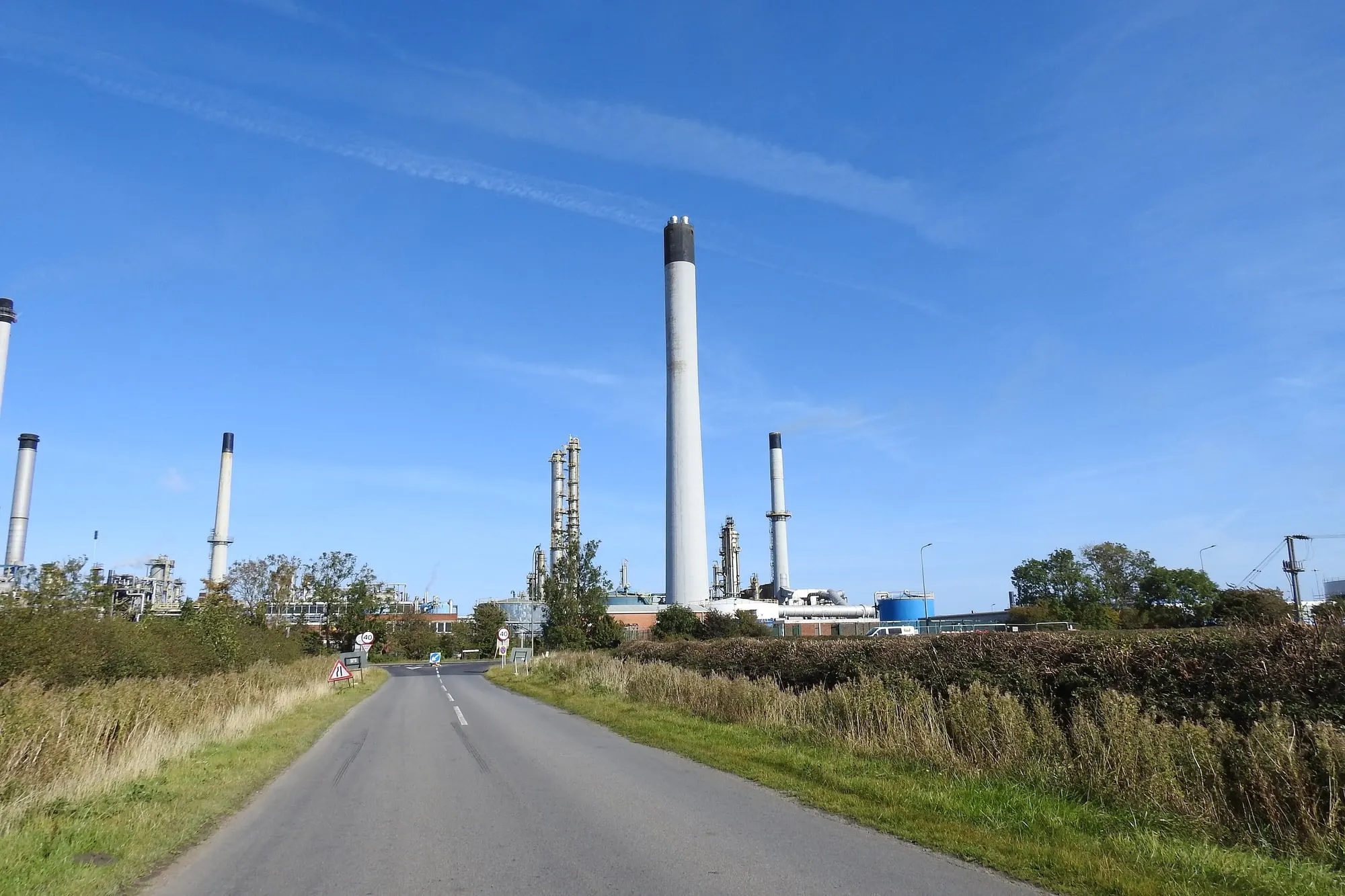

If you want to work in the Humber’s chemical and refining industry, an apprenticeship is not just one option among several. It is the main way in. Sites like the Phillips 66 Humber Refinery and the companies inside Saltend Chemicals Park run continuous, hazardous processes, and they prefer to grow their own operators and craft engineers over three or four years rather than hire them cold. That makes the sector unusually accessible for school and college leavers with decent GCSEs, and for adults willing to start again at apprentice pay.
Where the apprenticeships are
The south bank between Immingham and Hull is the heart of it. The Phillips 66 Humber Refinery at South Killingholme employs roughly 750 to 1,100 people plus contractors and runs a four-year craft apprenticeship that takes up to around 12 new starters a year across mechanical, electrical, instrumentation, piping and welding disciplines. Vacancies are advertised on the Phillips 66 careers site and through HETA, and the refinery also runs a graduate scheme for chemical, electrical, mechanical and instrument engineers. Our Phillips 66 Humber Refinery page has more on the site.
East of Hull, Saltend Chemicals Park, operated by px Group, hosts INEOS, Mitsubishi Chemicals, Vivergo Fuels and LanzaTech’s sustainable aviation fuel plant. The park’s tenants recruit process and maintenance apprentices individually, so it is worth watching the Saltend careers page as well as the general apprenticeship listings. Elsewhere, food, pharmaceutical and energy sites across the region use the same process operator and maintenance standards, which is why the training providers below serve well over 300 employers between them. The wider picture is on our chemicals and process sector page.
How the training works
Most Humber process and craft apprenticeships follow a similar shape: a first year based largely in a training centre building fundamental skills, then two to three years on site with your employer, attending the centre on day or block release to complete a Level 3 qualification. Some employers add a Level 4 HNC for apprentices who show the aptitude, which is the usual stepping stone into technician and engineering roles.
HETA is the largest engineering training provider in the region, with centres in Hull, Grimsby and Scunthorpe. It trains around 600 Level 3 engineering apprentices a year for more than 400 partner companies, roughly 90% of them Humber-based, and offers electrical, mechanical, electrical installation, fabrication and welding, multi-skilled and process operations disciplines. HETA also recruits on behalf of employers, so a single application can put you in front of several companies. Our HETA engineering apprenticeships guide walks through the process.
CATCH at Stallingborough, between Grimsby and Immingham, is an industry-led, not-for-profit training centre built specifically for the process, energy and engineering sectors. Its site includes engineering workshops and the National Centre for Process and Manufacturing, with a live process operations plant, control room, simulator suite and tank farm, so process apprentices learn on real equipment without the risk of a real plant. CATCH offers mechanical, electrical, instrumentation, process operations, welding, pipefitting and plater specialisms and works with over 300 employers across Yorkshire and the Humber.
TEC Partnership, through Grimsby Institute, delivers the engineering maintenance technician apprenticeship with electrical, control and instrumentation and electrical and mechanical pathways, and is a common college partner for south bank employers.
Entry requirements and who gets in
Employers set their own bar, but GCSE grade 5 or above in English, maths and science is the typical baseline for HETA-recruited programmes, and competition for the best-known schemes is stiff. The Phillips 66 apprenticeship in particular receives many more applications than it has places. What tends to separate successful candidates is evidence of practical interest, whether that is a Design and Technology or engineering qualification, work experience, a mechanical hobby or simply a well-prepared answer to why this industry rather than any other. Our apprenticeship interview tips cover the questions these employers actually ask.
Adults are welcome, and career changers from the forces, construction and other trades do well here because safety discipline matters more than age. The main practical constraint is apprentice pay in the early years.
What you’ll earn
Apprentice pay in this sector is generally above the national apprentice minimum, particularly at the refinery and larger chemical employers, and rises each year of the programme. Once qualified, process operators in the Humber typically earn around £30,000 to £42,000 including shift allowances, and craft and instrumentation technicians around £30,000 to £40,000, with experienced staff and those who progress to Level 4 and beyond earning more. Treat these as broad indicative ranges rather than promises.
How to apply
Register early with HETA and CATCH, both of which take expressions of interest ahead of their annual intakes, and set up alerts on GOV.UK’s Find an apprenticeship service for process, maintenance and engineering vacancies in the DN and HU postcodes. Check the Phillips 66 careers site directly for refinery roles. If you are still deciding between this route and full-time study, our apprenticeships versus university guide sets out the trade-offs honestly.
Questions people ask
What is the difference between a process apprenticeship and a craft apprenticeship?
A process apprenticeship trains you to run the plant: monitoring and controlling production from a control room and out on the unit, managing start-ups and shutdowns and responding to alarms. A craft apprenticeship trains you to maintain it, in a discipline such as mechanical fitting, electrical, instrumentation, pipefitting or welding. Both are typically Level 3, both are paid from day one, and both lead to shift-based roles with good earning potential.
What GCSEs do I need?
Employers set their own requirements, but the common baseline across HETA-recruited programmes is GCSE grade 5 or above in English, maths and science, sometimes with a fourth subject. Some employers will consider grade 4 with strong application and interview performance. If you are an adult without those grades, a Level 2 engineering course at college or a functional skills qualification can bridge the gap.
When do applications open?
Most Humber process and craft apprenticeships recruit once a year for a September start, with vacancies typically advertised between the autumn and early spring beforehand. Phillips 66 advertises through its own careers site and through HETA, and HETA opens early registration well ahead of each intake. It is sensible to register interest in the autumn of your final school or college year rather than waiting for results.
Is shift work part of the apprenticeship?
Usually not in the first year, which is largely spent in a training centre. Once you move on site you will start to work alongside shift teams, and qualified process operators and many craft roles work rotating shifts including nights and weekends. Shift allowances are a significant part of the pay in this sector, so it is worth understanding the pattern before you apply.