East Riding of Yorkshire
Careers in the East Riding of Yorkshire
The East Riding's market towns and coast run on a different economy to the Humber's industrial waterfront, but easy commuting into Hull puts the region's bigger employers within reach too.
Updated 3 September 2026
.jpg)
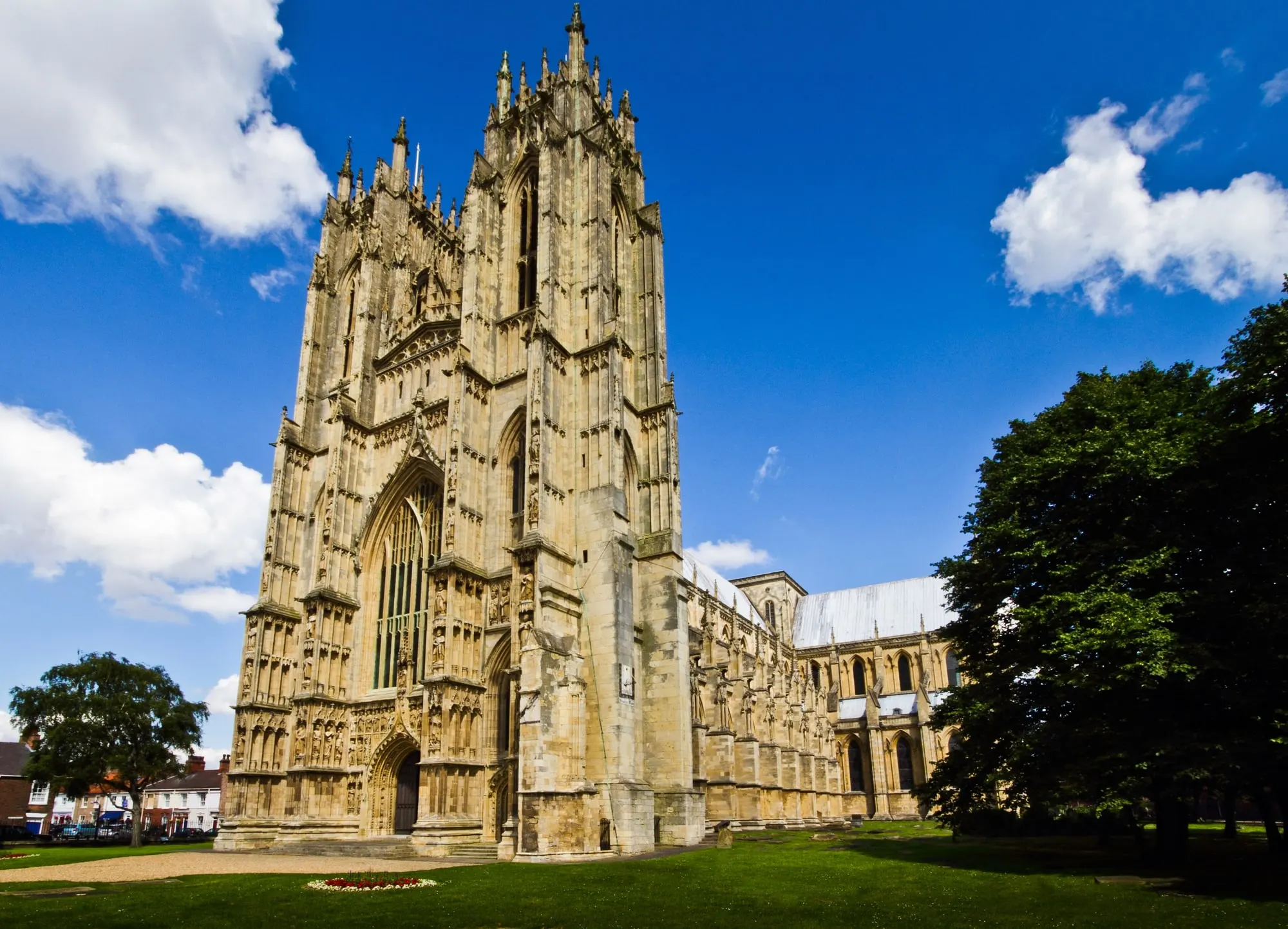
The East Riding of Yorkshire wraps around Hull on three sides, stretching from the market towns of Beverley and Driffield to the seaside resort of Bridlington and the farmland in between. Its economy looks quite different from the industrial waterfront a few miles down the road: this is a landscape of arable and livestock farming, small-town retail and services, and a tourism trade built on the East Yorkshire coast. At the same time, a large share of East Riding residents work not in the East Riding itself but in Hull, commuting in for jobs in energy, chemicals, ports and healthcare. Understanding the region’s job market means holding both of those things at once.
A land-based and market-town economy
Beverley, the county town, combines a historic market-town centre with a growing residential population, much of it commuting into Hull. Driffield sits at the heart of the Yorkshire Wolds’ arable farming country and has long been known as an agricultural market town, while Bridlington anchors the coastal economy with tourism, hospitality and a working harbour. Smaller towns and villages across the Wolds and Holderness add further pockets of local employment, mostly in retail, care, education and trades.
Agriculture and land-based industries
Farming remains a defining feature of the East Riding economy, and the sector’s training base is concentrated at Bishop Burton College, near Beverley, which specialises in land-based and agricultural education across East Yorkshire. The college’s remit extends well beyond traditional farming to cover:
- Agricultural engineering and machinery maintenance
- Animal management and veterinary nursing
- Countryside and environmental management
- Equine studies and horticulture
- Agri-business and food production
Entry routes range from Level 2 introductory courses through to Level 6 degree-level study, and many local land-based employers, from farms and estates to agricultural machinery dealers and food producers, recruit directly from the college’s leaver cohorts. Pay varies enormously by role and specialism, but skilled agricultural and land-based technical roles typically sit in a broad range of around £22,000–£32,000, with specialist or supervisory positions above that.
Tourism and hospitality on the coast
Bridlington and the wider East Yorkshire coast support a tourism and hospitality economy that peaks seasonally but sustains year-round employment in hotels, guesthouses, catering, retail and visitor attractions. Roles here range from front-of-house and kitchen positions to hospitality management, and the sector is often a practical entry point for younger workers or those returning to work, with relatively low barriers to entry and routes into supervisory and management roles for those who stay in it. Our guide on returning to work after a career break may be useful if you’re coming back to hospitality or retail after time away.
Commuting into the Humber’s wider job market
For East Riding residents who want access to the region’s largest employers and highest-profile sectors, offshore wind manufacturing, chemicals and process, ports and logistics, and large-scale healthcare, the practical answer is usually to commute into Hull or, for those in the southern East Riding, towards Goole or the south bank. Beverley in particular sits close enough to Hull for a short daily commute by road or rail, and towns along the Hull–Beverley–Bridlington and Hull–Goole rail lines put a meaningful share of the East Riding within reach of the city’s job market without requiring a house move.
This matters because Hull’s employer base is substantial: Siemens Gamesa’s blade factory, one of the UK’s largest offshore wind manufacturing sites, Saltend Chemicals Park’s chemical and fuels businesses, and NHS Humber Health Partnership’s hospital sites all draw staff from across the wider Humber region, not just the city itself. Our offshore wind and renewables guide, chemicals and process guide and healthcare sector guide cover entry routes and typical roles in more detail, and our Hull location guide gives a fuller picture of what’s based in the city itself.
Education and training routes
Bishop Burton College is the clear specialist provider for land-based and agricultural careers, but East Riding residents heading into Hull-based sectors typically train through the same routes as Hull residents: Hull College for trade and manufacturing apprenticeships, and the University of Hull for degree-level study and degree apprenticeships, including its degree apprenticeship programmes. For general advice on choosing between an apprenticeship and university study, our apprenticeships vs university guide is a useful starting point, and GOV.UK’s Find an apprenticeship service lists live vacancies across the wider region.
Where to go next
If you’re drawn to land-based work, start by looking at what Bishop Burton College offers by way of courses and progression routes. If you’re weighing up a commute into Hull for a bigger-sector career, our guides to offshore wind, chemicals and process and healthcare explain what those jobs actually involve, and our guide on how to find a job in the Humber covers practical search strategy across the whole region, not just one town.
Questions people ask
What kind of jobs are actually based in the East Riding, rather than requiring a commute?
Agriculture and land-based work, hospitality and tourism, retail and services in market towns such as Beverley, Driffield and Bridlington, and roles supporting those local economies (education, veterinary, agricultural machinery and supply) are genuinely East Riding-based. Bishop Burton College is also a significant local employer and training provider in its own right.
Is it realistic to live in the East Riding and work in Hull?
Yes, this is how a large part of the East Riding workforce operates. Beverley, and towns along the Hull-Beverley-Bridlington rail line and the A1079/A165 road corridors, sit within a commutable distance of Hull's docks, Saltend Chemicals Park and the wider city. Many people who work in offshore wind, chemicals or the NHS in Hull live in East Riding towns and villages.
Do I need farming experience to work in agriculture here?
No. Land-based industries cover far more than hands-on farming, including agricultural engineering, machinery servicing, agri-business, animal care, countryside and environmental management, and food production. Bishop Burton College runs courses and apprenticeships across this range, most of which assume no prior experience.
Where can I find current vacancies across the East Riding?
Local employers, market-town retailers and hospitality businesses often advertise directly or via GOV.UK's [Find a Job](https://www.gov.uk/find-a-job) service. For sector-specific roles based in Hull that are commutable from the East Riding, our [jobs hub](/jobs/) and individual sector guides are a good starting point.