North Lincolnshire
Jobs and Careers in Scunthorpe
Scunthorpe's economy has long been defined by steelmaking, but North Lincolnshire's job market today reaches well beyond the works into engineering, food and logistics.
Updated 3 September 2026
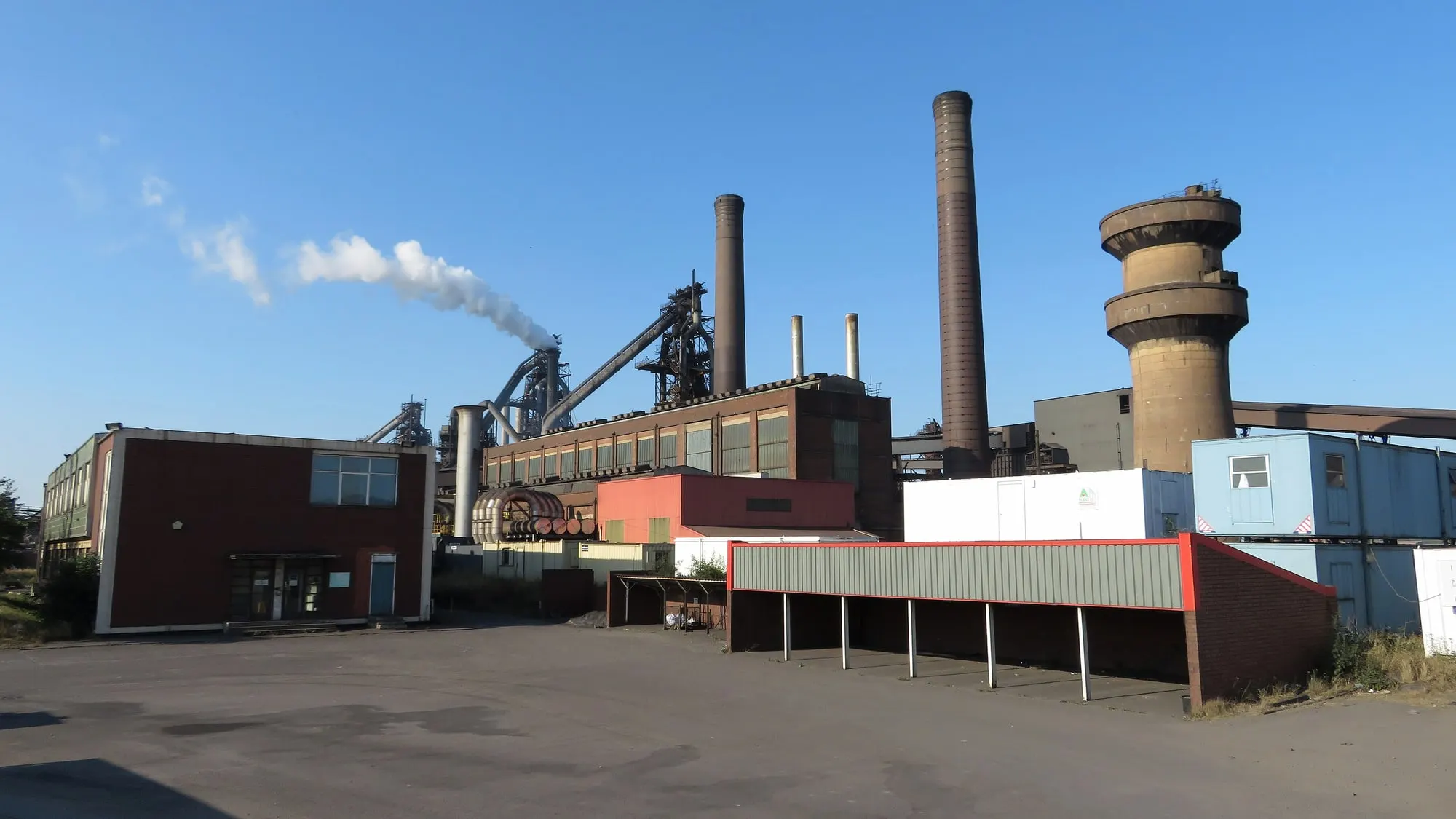

Scunthorpe grew up around iron and steel, and that history is still the first thing most people associate with the town. But North Lincolnshire’s job market is broader than any single industry, taking in an engineering supply chain built up over generations, food processing and arable farming, and logistics roles linked to the Humber’s ports a short commute away at Immingham and Grimsby.
A town shaped by steel
Steelmaking has been central to Scunthorpe’s economy since the late nineteenth century, and the works has long been the town’s best-known industrial site and, historically, its largest single employer. That heritage still shapes the local skills base: generations of Scunthorpe workers have trained in steel production, plant engineering and heavy industrial maintenance, and much of the town’s identity as an industrial centre traces back to it.
The steel industry, both in Scunthorpe and nationally, has been through a period of significant change in recent years, and the position around any specific employer can shift quickly. If a career connected to steelmaking is something you’re considering, treat any commentary you read, including this page, as background only, and go directly to official and current sources for the up-to-date picture before making decisions.
North Lincolnshire’s wider job market
Steel’s legacy has left North Lincolnshire with strengths that extend well beyond the works itself, and these give the area a more varied job market than its reputation as a steel town might suggest.
Engineering and the industrial supply chain
Decades of steel production have supported a wide network of engineering, fabrication, plant maintenance and industrial services firms across North Lincolnshire, many of which now work across sectors rather than relying on any one site. Typical roles include mechanical and electrical maintenance, welding and fabrication, plant operations and engineering technician positions, with entry available both through apprenticeships and direct recruitment for those with relevant trade qualifications or experience. Our marine and engineering sector guide covers the kind of roles and employers found across the wider Humber region, many of which are accessible from Scunthorpe.
Food manufacturing and agriculture
North Lincolnshire’s flat, fertile land supports substantial arable farming, and food processing and manufacturing form a meaningful part of the local economy alongside it, in a region that also includes Grimsby’s much larger seafood-processing cluster within commuting reach for some. Roles range from production and quality roles in food manufacturing through to agricultural and land-based work, the latter often supported by specialist training providers in the wider area. Our food manufacturing sector guide has more on entry routes and typical duties.
Logistics and the Humber Freeport
Scunthorpe sits within commuting distance of the Humber’s major ports at Immingham and Grimsby, both operated by Associated British Ports, which together handle a substantial share of UK trade and support tens of thousands of jobs across the region. These ports fall within the wider Humber Freeport area, a programme that has already attracted significant investment across its Hull, Goole and Immingham tax sites and is targeting further investment and thousands more jobs over the next decade. For North Lincolnshire residents, this makes warehousing, freight, port operations and logistics a realistic sector to consider even without relocating. See our ports and logistics sector guide for typical roles and entry points, and ABP’s Humber careers page for current vacancies across its port sites.
Training routes into North Lincolnshire’s job market
Several regional providers serve North Lincolnshire alongside the rest of the Humber:
- HETA (Humberside Engineering Training Association) — a specialist engineering apprenticeship provider working with more than 400 partner companies, around 90% of them based in the Humber region, and training roughly 600 Level 3 engineering apprentices a year. See our HETA apprenticeships guide.
- TEC Partnership — formerly Grimsby Institute, now covering Grimsby Institute, University Centre Grimsby, East Riding College and other sites, offering apprenticeships from Level 2 through to Level 7.
- Bishop Burton College — a land-based and agricultural specialist college in East Yorkshire, a relevant option for those interested in agriculture or the land-based sector.
For those weighing up an apprenticeship against a university route more generally, our apprenticeships versus university guide sets out the trade-offs.
Where to go next
If engineering interests you, start with our marine and engineering guide and the HETA apprenticeships page. If logistics or the ports sector looks like a better fit, our ports and logistics guide explains typical roles and how the Humber Freeport is shaping demand. And if you’re not sure where to begin searching at all, our guide on how to find a job in the Humber walks through where to look across the wider region, including our locations hub for nearby towns like Immingham and Goole.
Questions people ask
Is steelmaking still important to Scunthorpe?
Steel has shaped Scunthorpe's identity and economy for well over a century, and the town's works has historically been North Lincolnshire's largest single industrial employer. The steel industry nationally has been through a period of change, so if you're weighing up a career connected to it, it's worth checking current, official sources directly for the latest position on any specific employer rather than relying on general commentary.
What other industries employ people in and around Scunthorpe?
North Lincolnshire's economy also rests on an engineering and industrial supply chain built up around the steel sector over many decades, on food processing and arable agriculture, and on logistics and warehousing linked to the Humber ports at nearby Immingham and Grimsby. Our [marine and engineering](/sectors/marine-and-engineering/), [food manufacturing](/sectors/food-manufacturing/) and [ports and logistics](/sectors/ports-and-logistics/) guides cover these in more detail.
Do I need a degree to work in engineering in North Lincolnshire?
No. Engineering apprenticeships are one of the main routes in, particularly through HETA, which trains around 600 Level 3 engineering apprentices a year across the wider Humber region with more than 400 partner companies. Our [engineering apprenticeships with HETA](/apprenticeships/engineering-apprenticeships-heta/) guide and our broader piece on [getting into engineering without a degree](/advice/how-to-get-into-engineering-without-a-degree/) are good starting points.
Where can I find current vacancies in Scunthorpe and North Lincolnshire?
GOV.UK's [Find a Job](https://www.gov.uk/find-a-job) and [Find an apprenticeship](https://www.gov.uk/apply-apprenticeship) services cover the area, and it's worth checking employer career pages directly for engineering, food and logistics firms. Our [jobs hub](/jobs/) and our guide on [how to find a job in the Humber](/advice/how-to-find-a-job-in-the-humber/) are useful next stops.