North East Lincolnshire
Jobs and Careers in Grimsby
Grimsby pairs one of Europe's largest seafood-processing clusters with a fast-growing offshore wind and marine engineering base, anchored by Young's Seafood, Ørsted and the Humber Marine and Renewables network.
Updated 3 September 2026
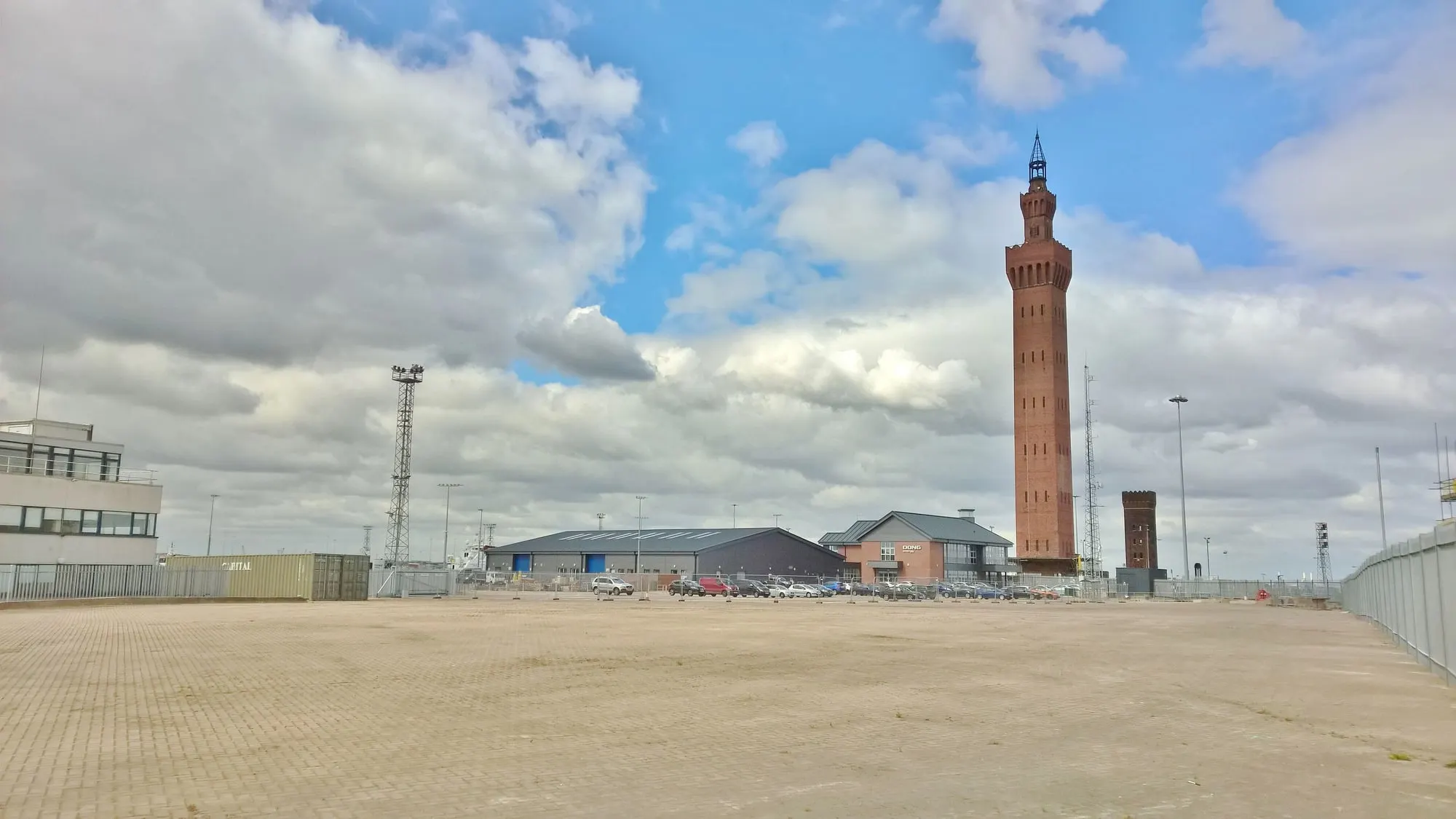

Grimsby’s identity has long been built on fish, and that history still shapes the town’s job market more than most places in the Humber. But alongside the seafood-processing plants that made Grimsby’s name, an offshore wind and marine engineering sector has grown up around the docks over the past decade, giving the town a second industrial identity to go with its first. Between the two, Grimsby offers a mix of entry-level production work, skilled trades, marine engineering and increasingly technical offshore roles, most of it reachable without a university degree.
A food town with an energy sector attached
North East Lincolnshire’s economy has traditionally centred on Grimsby’s docks and the food-processing estate that grew up around them. What’s changed in recent years is the arrival of offshore wind operations and maintenance work, drawn to the town by its proximity to wind farms in the southern North Sea. The result is an economy that still runs on seafood but no longer runs on seafood alone.
Seafood processing: still the backbone
Grimsby is one of the world’s largest seafood-processing clusters, a concentration of fish processing, cold storage and food manufacturing businesses sometimes referred to as Europe’s Food Town. Young’s Seafood is the anchor employer here, with a workforce in the local area estimated at somewhere between roughly 1,700 and 3,000 people depending on how the count is drawn, and the company supplies around 40% of the fish eaten in the UK. Around it sits a wider ecosystem of smaller processors, packers and cold-chain logistics firms that together make food manufacturing the single largest source of jobs in the town.
Typical entry points include production and packing operative roles, which need no prior experience and are usually trained on the job, through to quality assurance, technical and food safety roles that suit people with, or working towards, relevant vocational qualifications. Pay for entry-level production roles typically starts in the low-to-mid £20,000s, with supervisory, technical and quality roles generally moving into the high-£20,000s to low-£30,000s depending on experience and shift pattern. Our food manufacturing sector guide sets out typical duties and progression routes in more detail, and our Young’s Seafood employer profile covers the company specifically.
Offshore wind and the marine supply chain
Grimsby’s docks have become one of the operational centres for offshore wind in the southern North Sea. Ørsted runs an operations base in the town, currently employing around 200 people, with headcount expected to grow toward roughly 500 as the company’s regional portfolio expands. The scale of what’s coming is significant: Ørsted’s Hornsea 3 project, one of the larger offshore wind developments off the Yorkshire and Lincolnshire coast, is projected to generate up to 5,000 jobs during its construction phase, plus around 1,200 permanent roles once a new operations hub in Grimsby is up and running. Roles here range from marine coordination and logistics through to wind turbine technicians who go out to service turbines offshore.
Grimsby is also the historic home of what’s now known as Humber Marine and Renewables, a network of more than 200 member firms spanning shipping, marine engineering and the offshore supply chain. The organisation was formed in 2022 through the merger of the former Team Humber Marine Alliance with the Grimsby Renewables Partnership, bringing together marine trades that predate the wind industry with the newer renewables supply chain that’s grown alongside it. Between Ørsted’s own operations base and the wider member network, marine and engineering trades, from vessel crew and marine electricians to logistics coordinators, form a growing slice of the local job market. Our offshore wind and renewables guide and marine and engineering sector guide cover entry routes and typical roles across both.
Training and how to get in
TEC Partnership is the main further education provider serving Grimsby and North East Lincolnshire. Formerly known as Grimsby Institute, it now brings together Grimsby Institute, University Centre Grimsby, East Riding College, Scarborough TEC and Skegness College under one group, offering apprenticeships from Level 2 through to Level 7 across food, engineering, marine and business disciplines. For anyone leaving school or college in the area, it’s usually the first stop for a structured entry route into either the food-processing or offshore wind sectors, and its University Centre Grimsby campus also gives a local option for higher-level study without leaving the town.
Where to go next
If you’re deciding between Grimsby’s two main sectors, our guides to food manufacturing and offshore wind and renewables go into typical roles, entry routes and what a working day looks like in each. Our Grimsby apprenticeships guide is the place to start if you’re leaving education, and our guide on how to find a job in the Humber covers where to search and how to apply once you’ve picked a direction.
Questions people ask
What are the biggest employers in Grimsby?
Young's Seafood is the town's best-known employer, part of a wider seafood-processing cluster sometimes called Europe's Food Town. Ørsted runs an offshore wind operations base in Grimsby that is growing steadily, and the town is also home to the Humber Marine and Renewables network, a group of 200+ marine, engineering and offshore supply chain firms. TEC Partnership, the region's main further education group, is a significant employer in its own right.
Is Grimsby a good place to start a career in offshore wind?
Increasingly, yes. Ørsted's operations base in the town employs around 200 people and is growing toward roughly 500, and its Hornsea 3 project is expected to generate up to 5,000 jobs during construction plus around 1,200 permanent roles at a new Grimsby operations hub once it's running. See our [offshore wind guide](/sectors/offshore-wind-renewables/) for entry routes into technician, marine and operations roles.
Do I need a degree to work in Grimsby's food industry?
No. Most entry-level and supervisory roles in food manufacturing are recruited on the job, with progression into technical, quality and production management roles achievable through vocational qualifications and in-house training rather than a university degree. TEC Partnership offers relevant courses locally, and our [food manufacturing sector guide](/sectors/food-manufacturing/) covers typical roles and pay.
Where can I find current vacancies in Grimsby?
Check employer career pages directly for the larger local names, alongside GOV.UK's [Find a Job](https://www.gov.uk/find-a-job) and [Find an apprenticeship](https://www.gov.uk/apply-apprenticeship) services. Our [jobs hub](/jobs/) rounds up where to search across the Humber, and our [Grimsby apprenticeships guide](/apprenticeships/apprenticeships-in-grimsby/) is a good starting point if you're early in your career.